
Tribute to Georges Aperghis
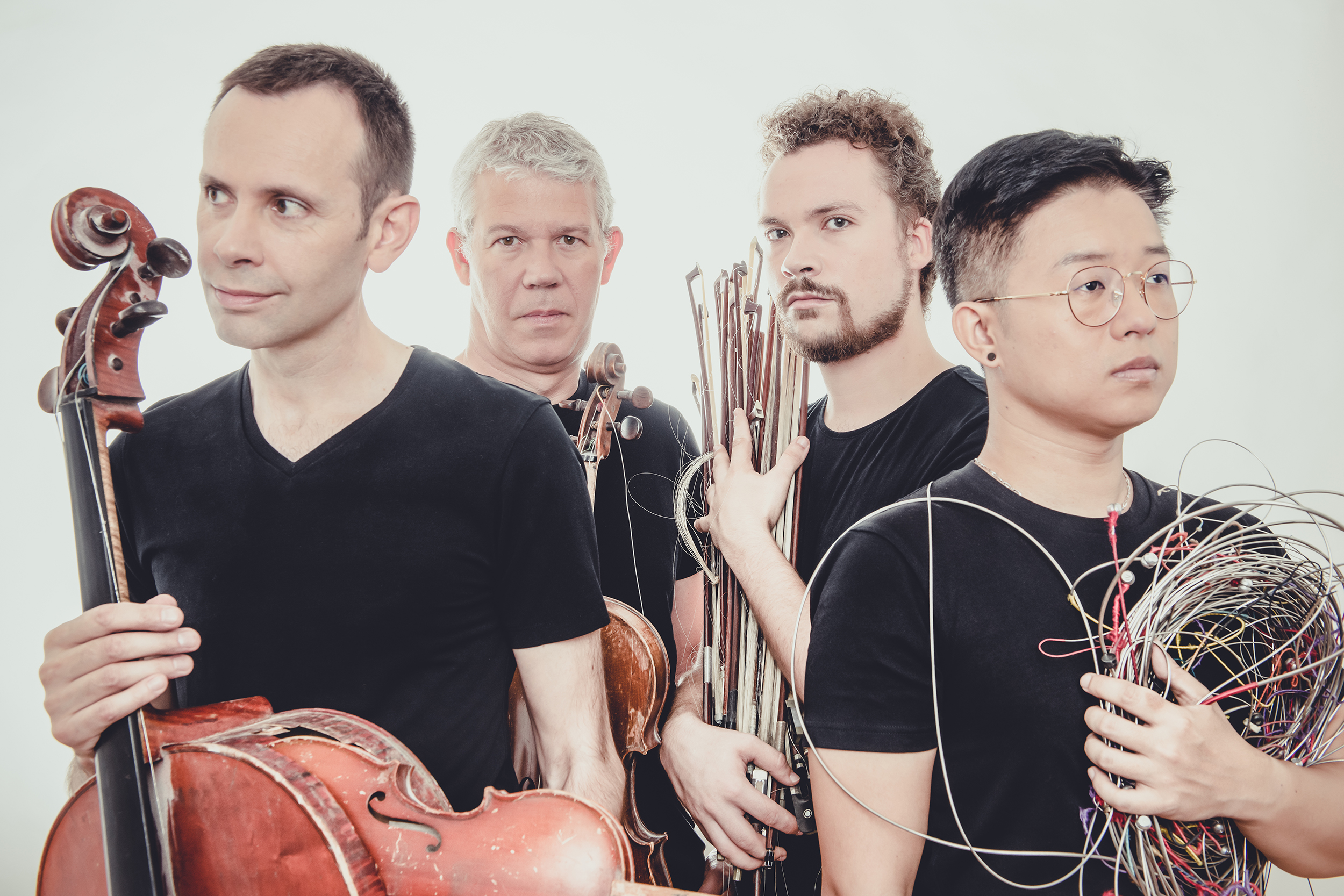
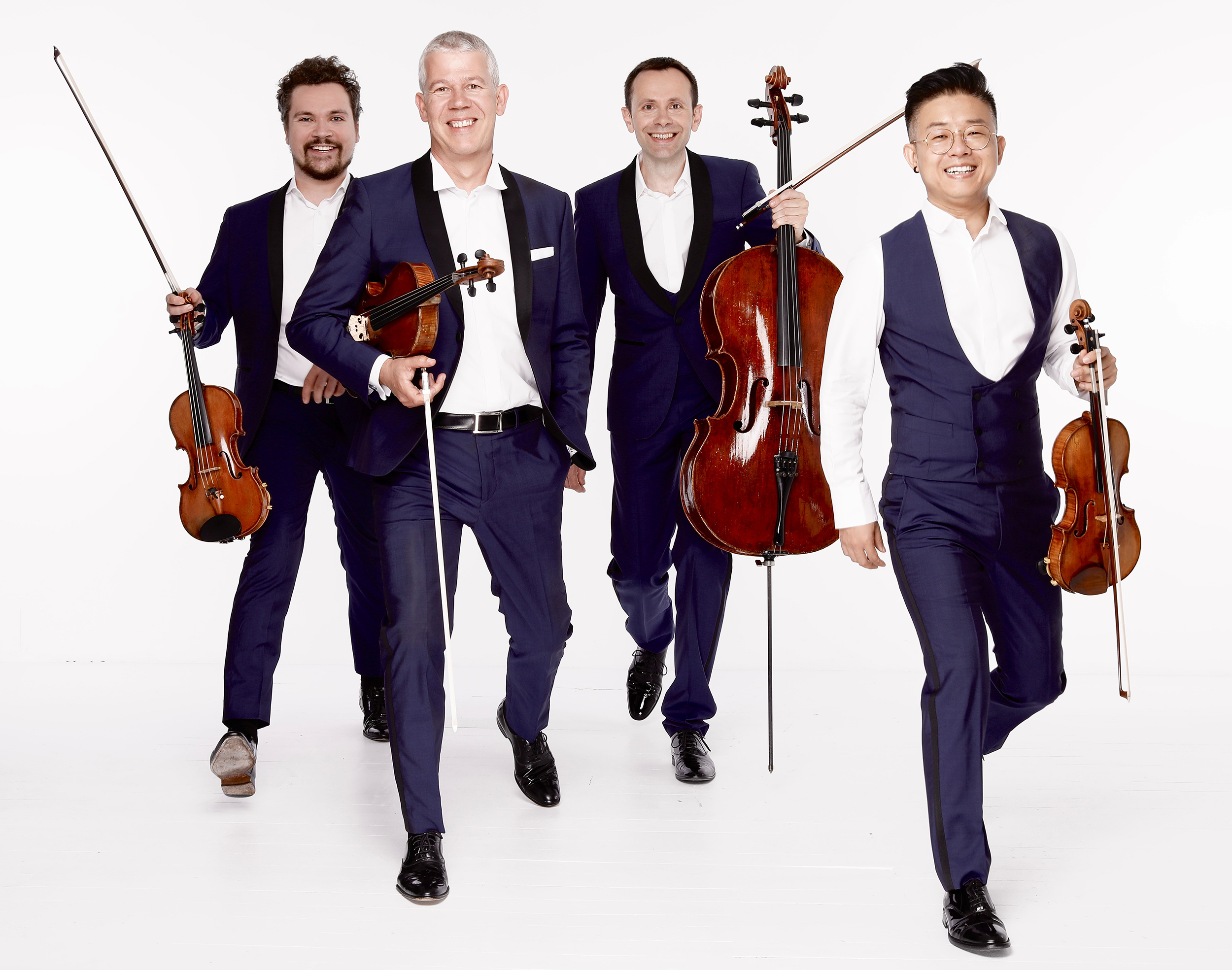
Quatuor Diotima
Works by Aperghis, Tzortzis, Ligeti
C_Music NOW
I like to rule within disorder.
I have no desire whatsoever to eliminate it
I simply attend to those points within it where emotion arises.
G.A.
The twentieth century marked the ascent of musical composition in Greece as a fully realised artistic vision. Between 1940 and 1990, an unprecedented body of recordings and works emerged from the country’s cultural landscape, laying the groundwork for an entirely new musical tradition. Beyond the country’s borders, however, a parallel musical genesis was unfolding – one likewise shaped by Greek composers. Yet this was an eruption of creativity that never fully assumed a national identity, but instead remained attuned to a global pulse and an urgency aligned with the cultural Zeitgeist* of the era – a period in which artistic disciplines flowed into one another, dissolving boundaries and redefining forms.
Born in Athens but based in Paris, Georges Aperghis belongs to this constellation of “stateless” composers, having forged an entirely idiosyncratic musical language possessing a sharply contoured grammar ripe with sound, action, image, speech, and song. From Récitations (1978) to the present, he has developed a music born out of minimal intervention yet intricate navigation – marked by a measured disorder that simultaneously contains its own staging. The two string quartets to be presented here are recent works, receiving their Greek premiere.
Nicolas Tzortzis studied under Aperghis, specialising in composition for musical theatre at the Bern Academy of the Arts. His work brings together kinetic energy, audiovisual polyphony, the organic integration of extra-musical elements, and a balanced use of technology. Composed in 2010, his string quartet Femme-tête-temps is presented in Greece for the first time.
The joint appearance of mentor and student is further enriched by the performance of György Ligeti’s String Quartet No. 2, a work stemming from the composer’s Western European phase.
*
Founded by four laureates of the Conservatoire de Paris, the international ensemble Quator Diotima stands among the most refined and sought-after string quartets of the twenty-first century. It has played a crucial role in the interpretation and dissemination of works by leading late twentieth-century composers such as Pierre Boulez and Helmut Lachenmann, while also establishing itself as one of the foremost interpreters and translators of Ligeti’s musical universe. Already familiar to Greek audiences through previous appearances, the quartet returns within the framework of the Athens Epidaurus Festival for a dedicated evening, guiding us across three distinct musical poles while preserving its unmistakable identity.
* Zeitgeist (German, literally “the spirit of the times”): the set of ideas and values, as well as the overarching mentality that define a given historical period as its invisible pulse. The term also refers to the collective consciousness and dominant tendencies shaping human thought and action, particularly within literature, architecture, and the broader field of artistic creation.
Aperghis, String Quartet No. 1
Ligeti, String Quartet No. 2
Intermission - 15'
Nicolas Tzortzis: Femme-tête - temps
Aperghis, String Quartet No. 2
Total duration: 70'
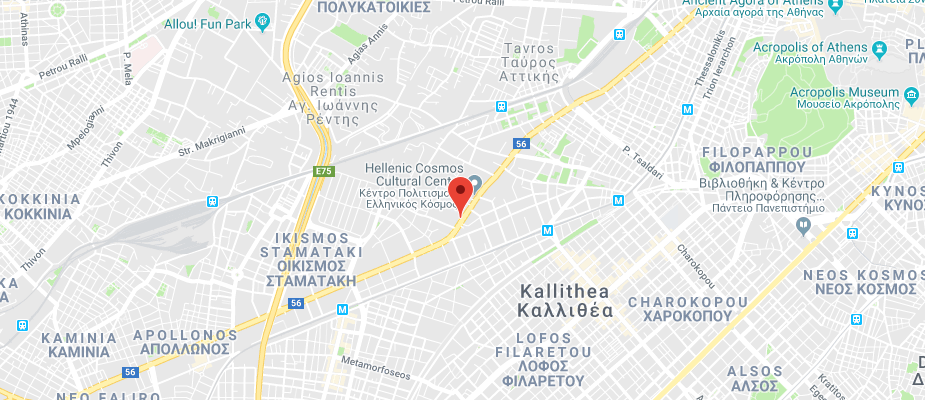
Peiraios 260 (E)
- 28/06/2026 at 21:00


all events
Music | Theatre | Dance | Education | Classical music | Performance | Premiere | Greek Debut
Ancient Theatre of Epidaurus | Little Theatre of Ancient Epidaurus | Peiraios 260 | Odeon of Herodes Atticus | Ancient Stadium Of Epidaurus | Ancient Agora of Athens | Sychrono Theatro | Ancient Theatre of Epidaurus | Exhibition Hall | Theater 104 | The Greek Film Archive Foundation
all venues