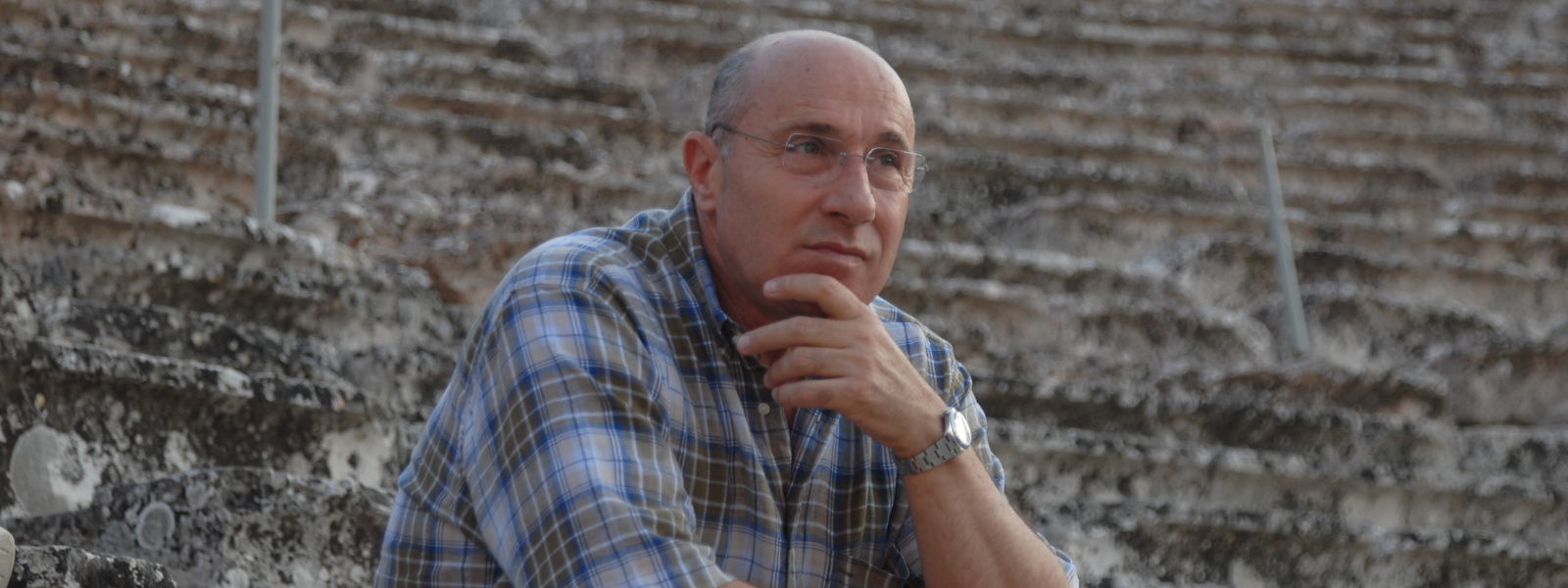
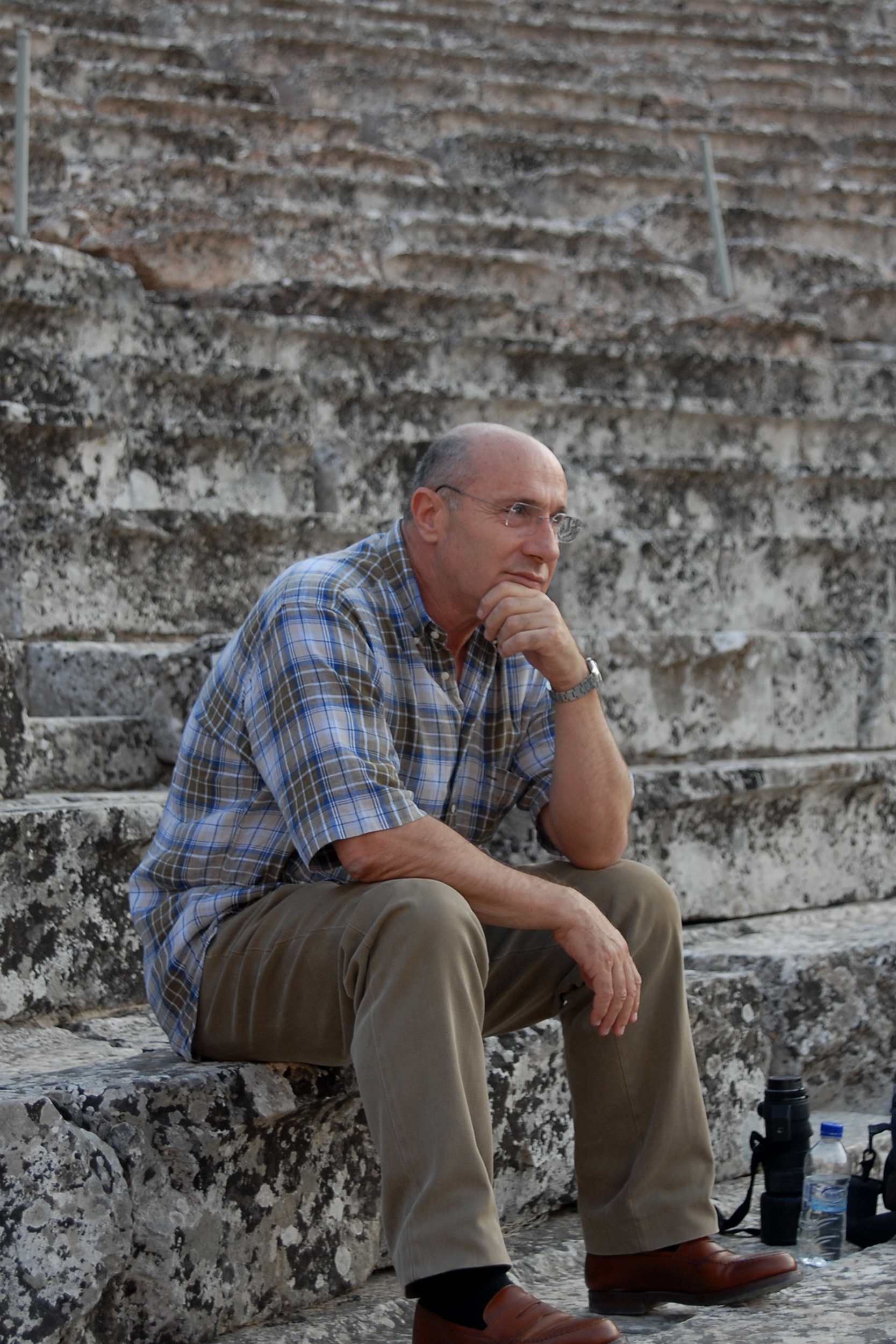
Elias Giannakakis
2005-2015. The Years of Loukos
“HOMMAGE’’
INTERDISCIPLINARY ART PROJECT – SCREENING
Today, I believe the need for a film that captures
the Yorgos Loukos phenomenon as a whole
is more urgent than ever
not only as an overdue tribute, but as a precious trace
E. G.
Yorgos Loukos assumed the artistic direction of the Athens Epidaurus Festival in the 2005-2006 season and, in tandem with its identity, reshaped the landscape of national cultural events. For the first time, a palpable wind of change blew over the Festival; Loukos succeeded in activating a new artistic universe, where the audiences – especially younger generations – local artists, and leading figures of the international scene in dance, theatre, and music converged, united by a spirit of joy, creativity, and innovation.
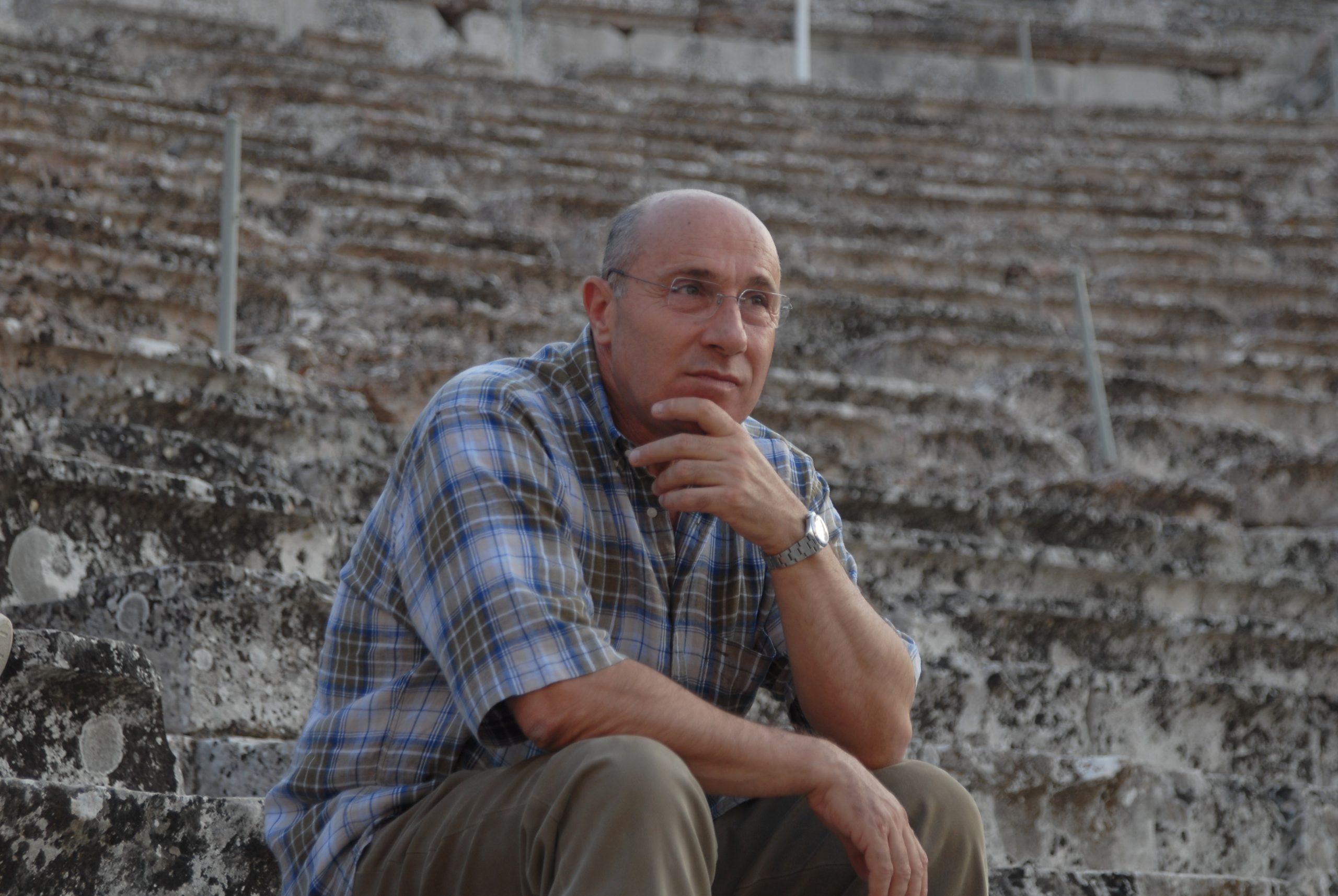
Twenty years after Loukos took the helm, Elias Giannakakis presents his documentary as a tribute to the Athens Epidaurus Festival. A filmmaker with more than three hundred works across documentary and fiction, he followed the Artistic Director closely for an entire year – from 2007 to 2008, at the dawn of the Festival’s ‘boom’– gathering a wealth of invaluable footage. Two decades on, he returns with a film that traces the imprint of that defining period, enriched with new sequences and rare archival material.
Upon discovering a derelict factory in a neglected area of Athens, the then Artistic Director envisioned and forged, from the ground up, a cultural space destined to become an urban landmark. Thus emerged the now-emblematic Peiraios 260, a venue that would irrevocably transform our perception of contemporary cultural events.
The freedom and trust extended to Greek creators of all generations, both established and emerging, together with the presence of remarkable international artists at the height of their creative powers, opened a vital gateway for Athens and Greece to enter the global cultural sphere, leaving behind a powerful and enduring legacy.
“This film is not a hagiography,” notes Elias Giannakakis. “If we are to truly understand this prominent figure and this exciting era, we must embrace its inconsistencies and contradictions, the blank spaces, and the role of timing itself. Otherwise, we risk losing the human dimension we seek within the fragmentary – where a fundamental element of the miraculous resides.”
Duration 125'
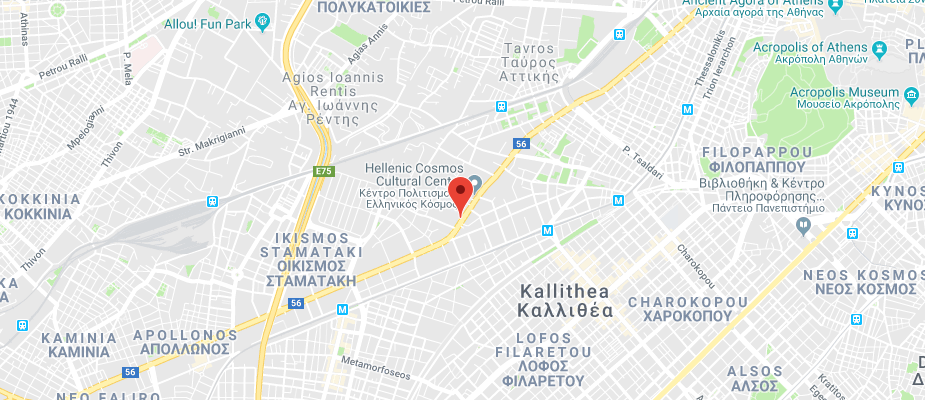
Peiraios 260 (D)
- 13/06/2026 at 19:30
all events
Music | Theatre | Dance | Education | Classical music | Performance | Premiere | Greek Debut
Ancient Theatre of Epidaurus | Little Theatre of Ancient Epidaurus | Peiraios 260 | Odeon of Herodes Atticus | Ancient Stadium Of Epidaurus | Ancient Agora of Athens | Sychrono Theatro | Ancient Theatre of Epidaurus | Exhibition Hall | Theater 104 | The Greek Film Archive Foundation
all venues