

Stamatis Kraounakis
Lysistrata
A hilarious opera
Can anything new still be said about Lysistrata after all these years? Why does it return with such persistence to the stages of the world? What resources of meaning remain inexhaustible within the heroine’s audacious grace?
When Aristophanes wrote the play in 411 BC, he was not simply offering an oblique commentary on the state to which Athens had been reduced amid the Peloponnesian War. In truth, he was acutely attuned to the political tremors within the city walls, where the Assembly of the People had weakened and oligarchic forces were re-emerging. With the covert weapons of art – devices that do not name, yet reveal without accusation – he addressed the root of all calamity: the frenzy for power and domination, a hollow imperative that belonged to men and dragged society as a whole towards ruin. And what was the antidote? A resounding slap across the face of this laughable masculinity. When Aristophanes moved the woman from the sphere of the “oikos” into that of the “polis,” he did not merely perform a theatrical trick, but enacted a political shift of seismic proportions. The heroine did not simply call upon the women of Athens – and even of rival cities – to embark upon a ‘strike of love’; rather, she unleashed a torrent of femininity that swept away the certainties of the world, proposing an alternative that others hastened to dismiss
as utopian and, therefore, impracticable. Any resemblance to the present day is, of course, purely coincidental.
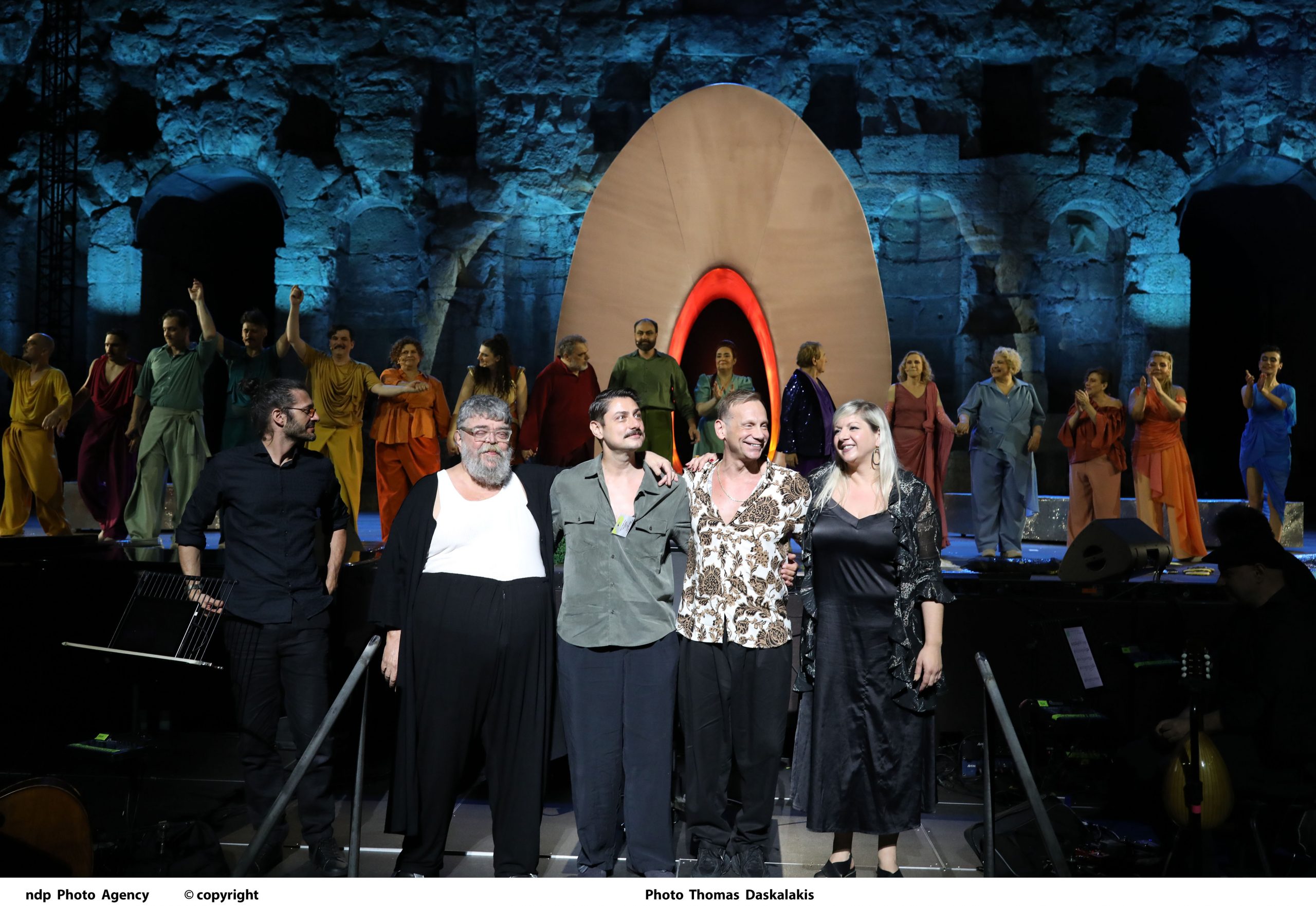
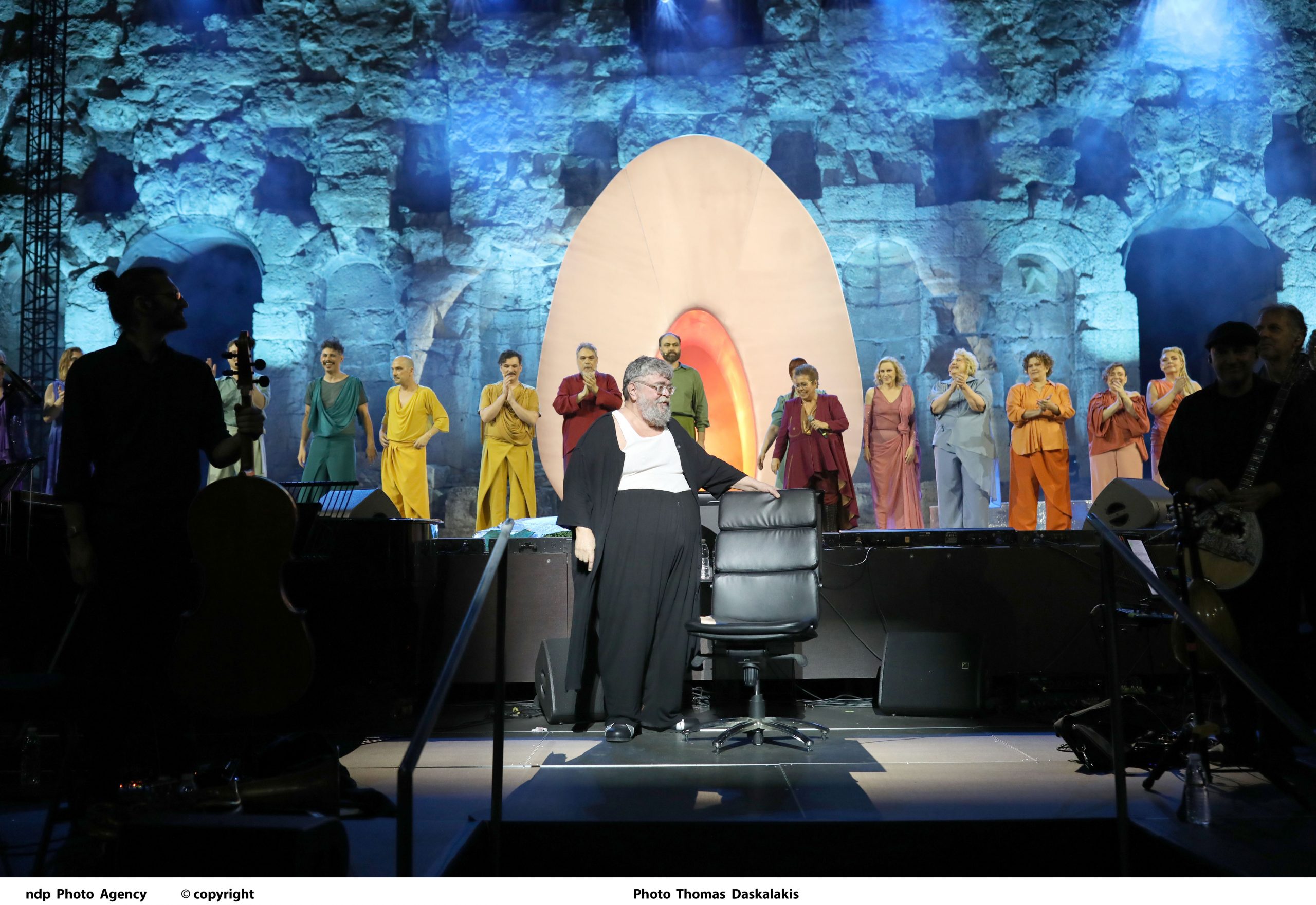
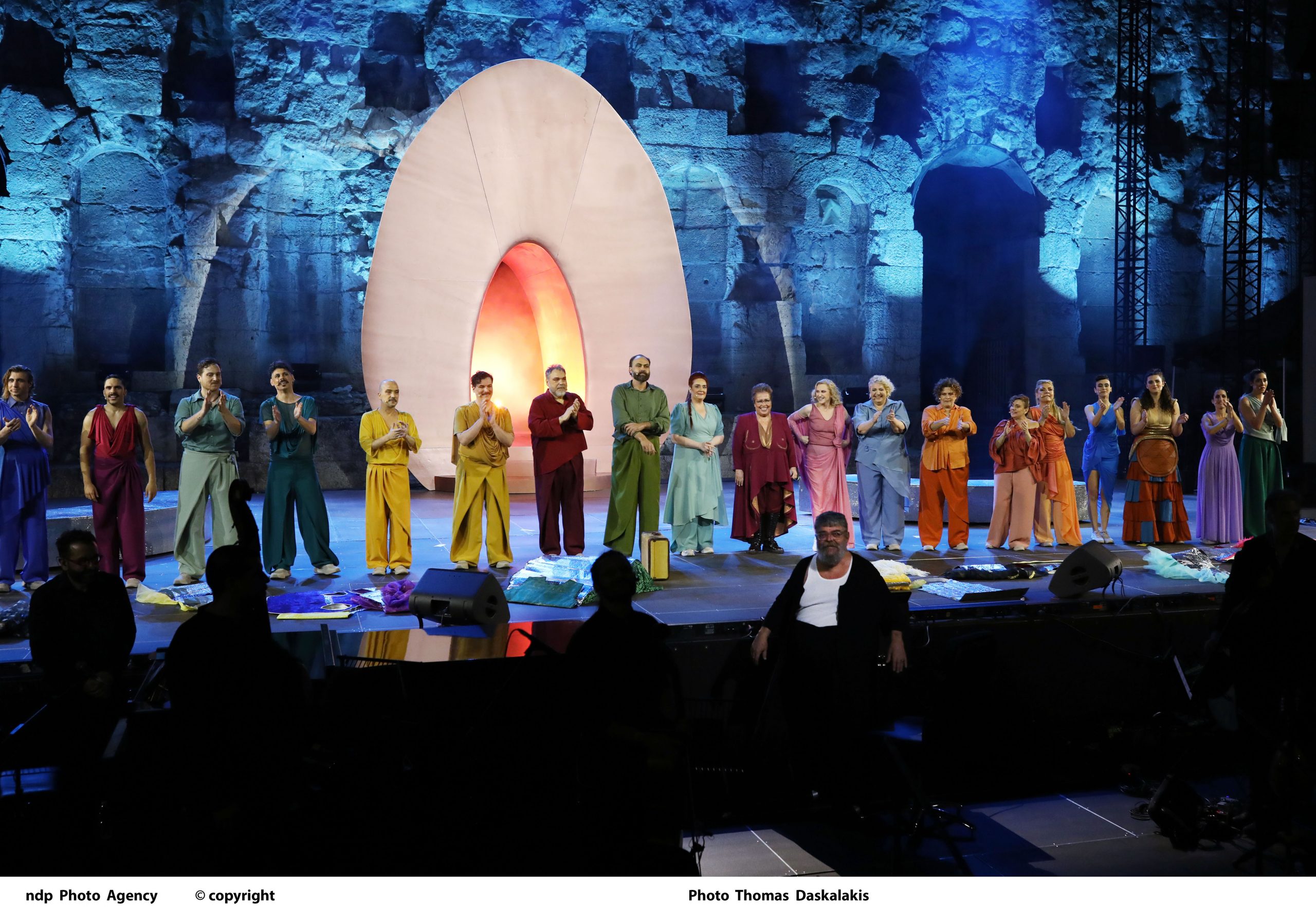
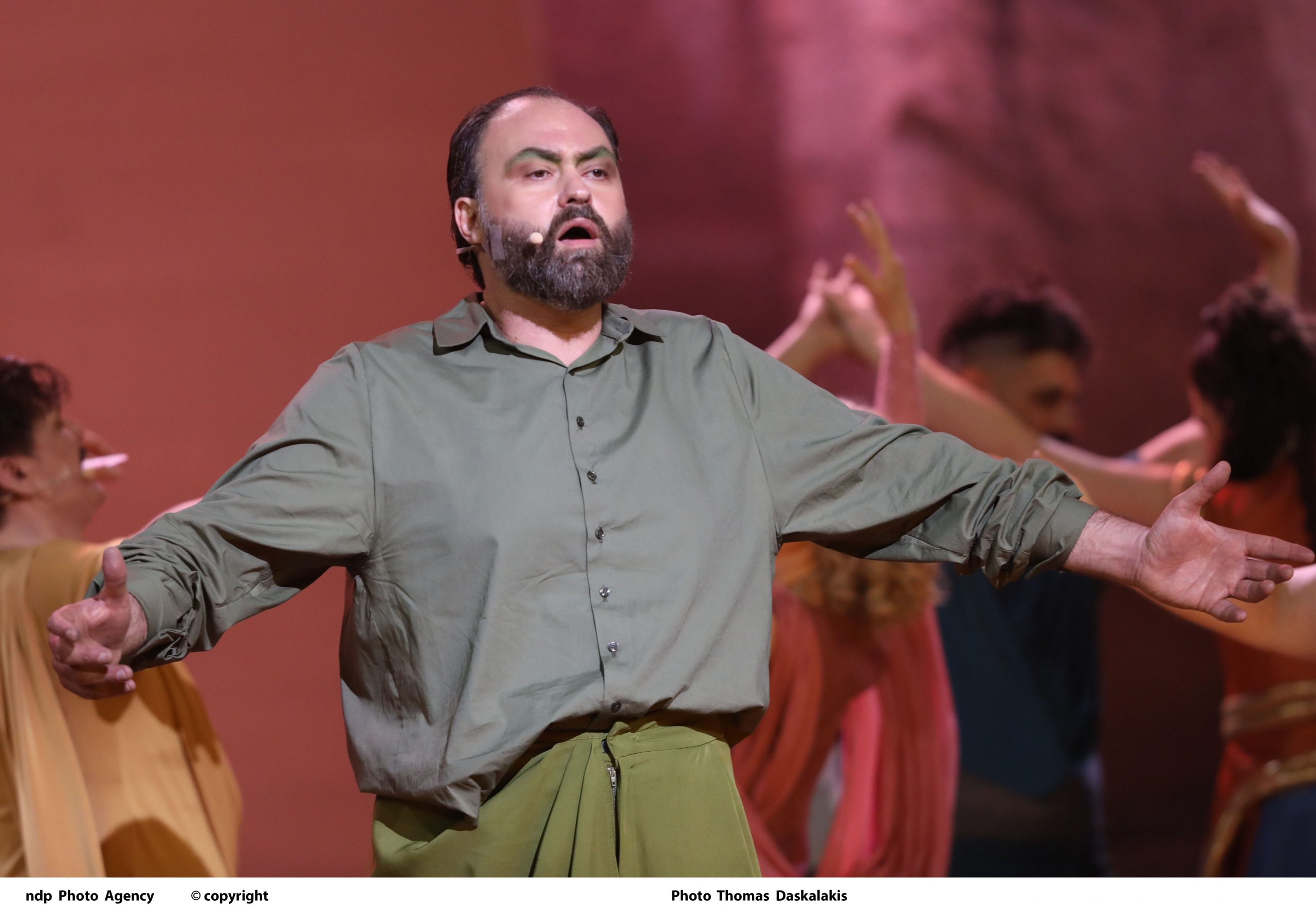
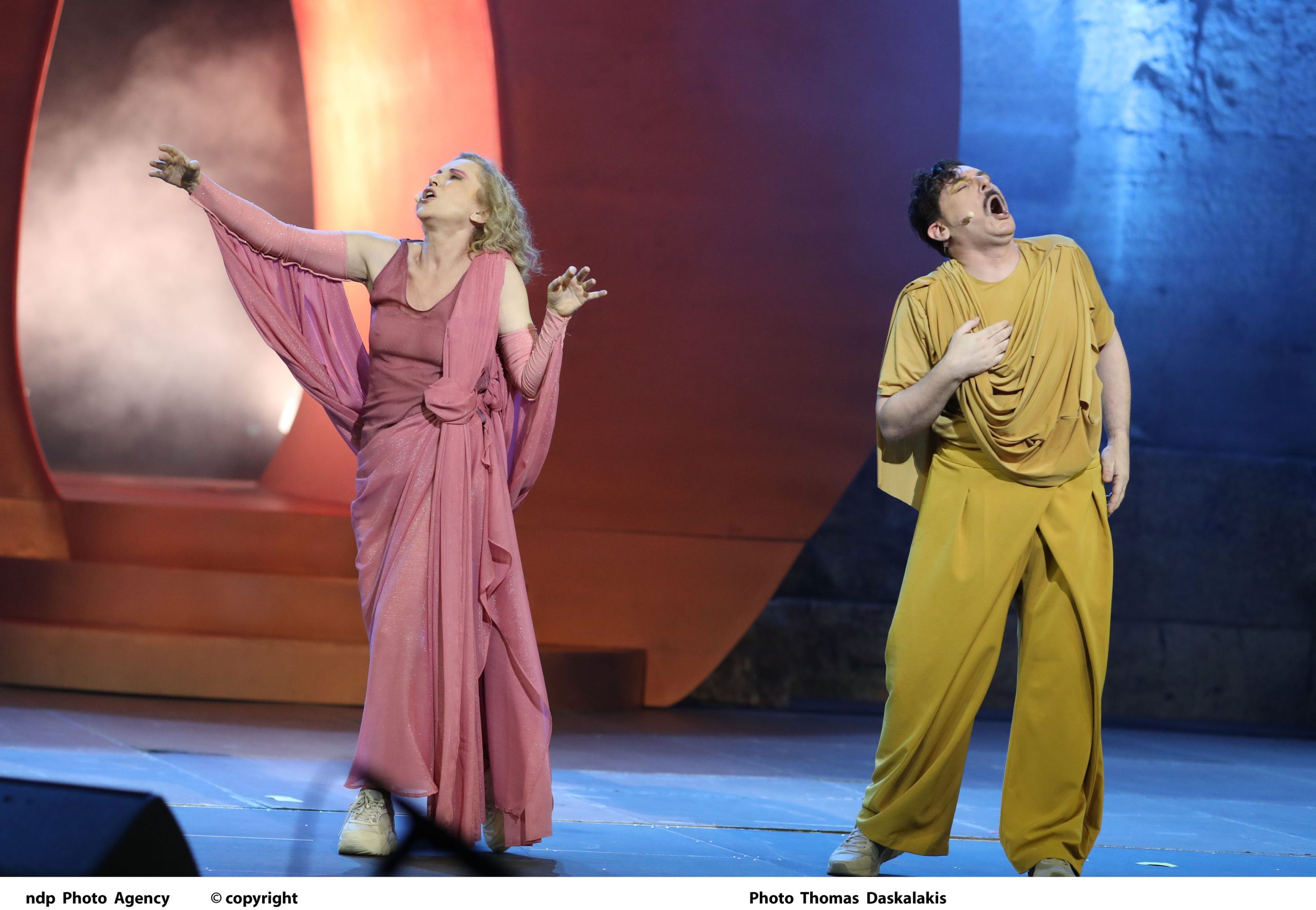
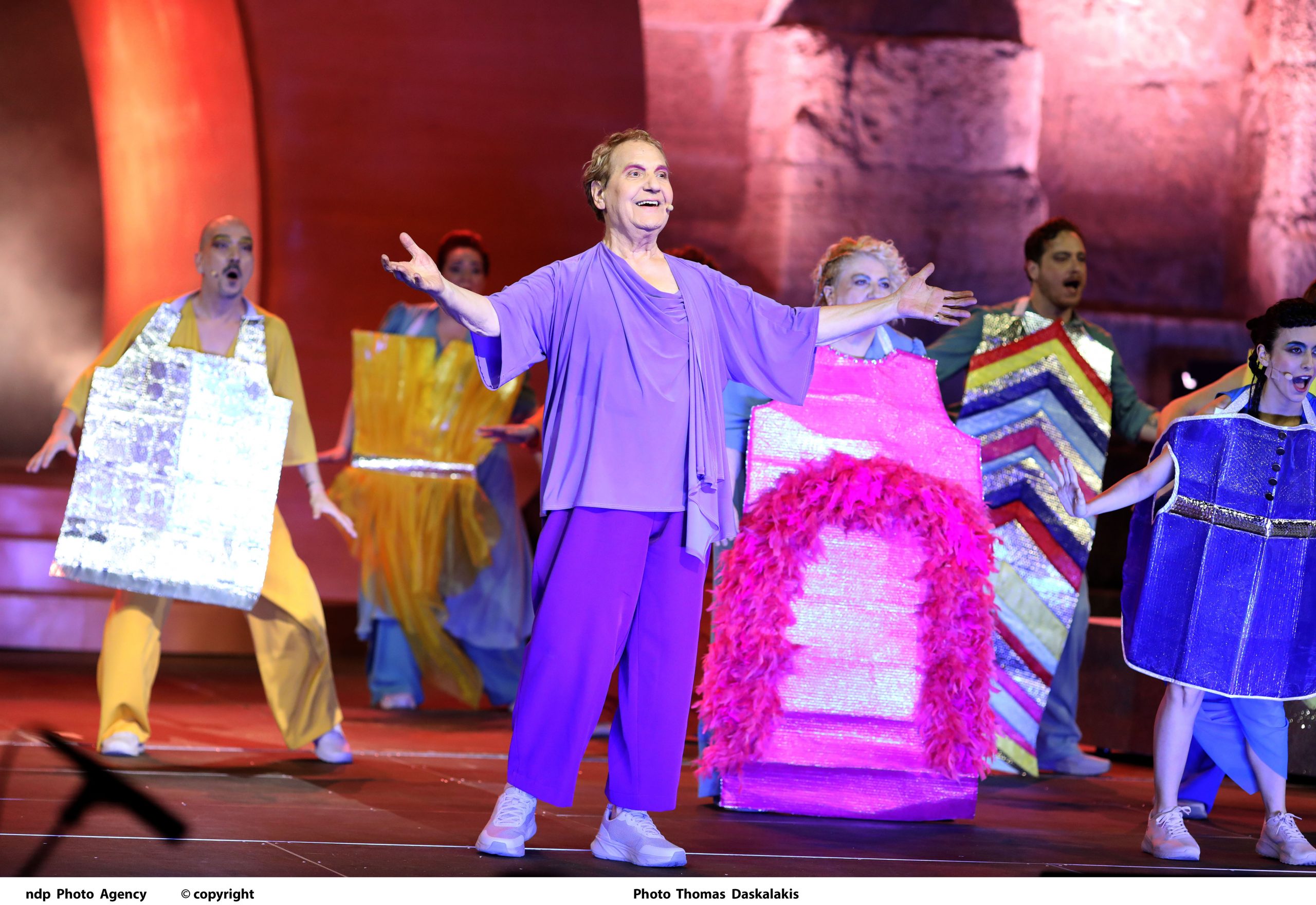
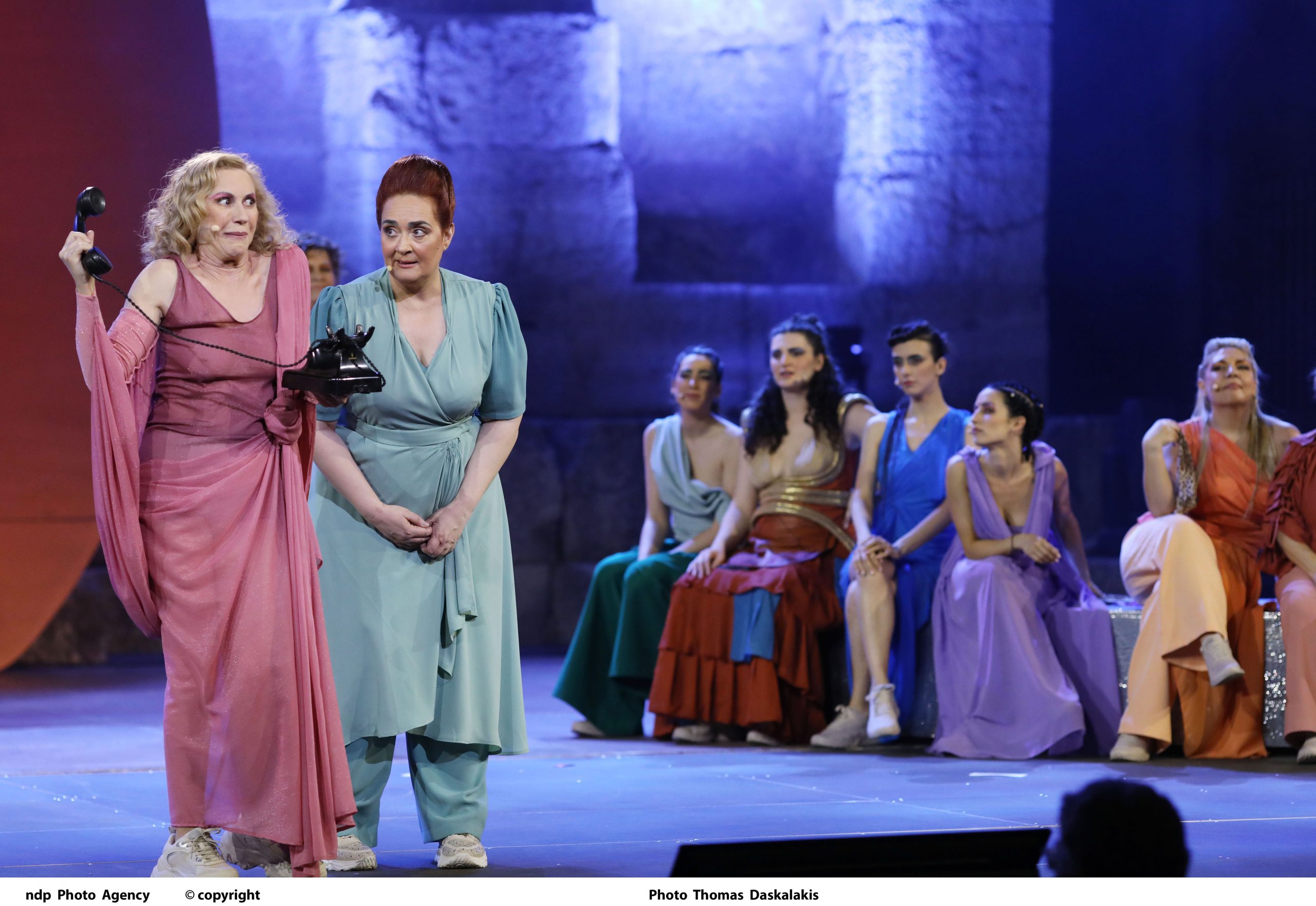
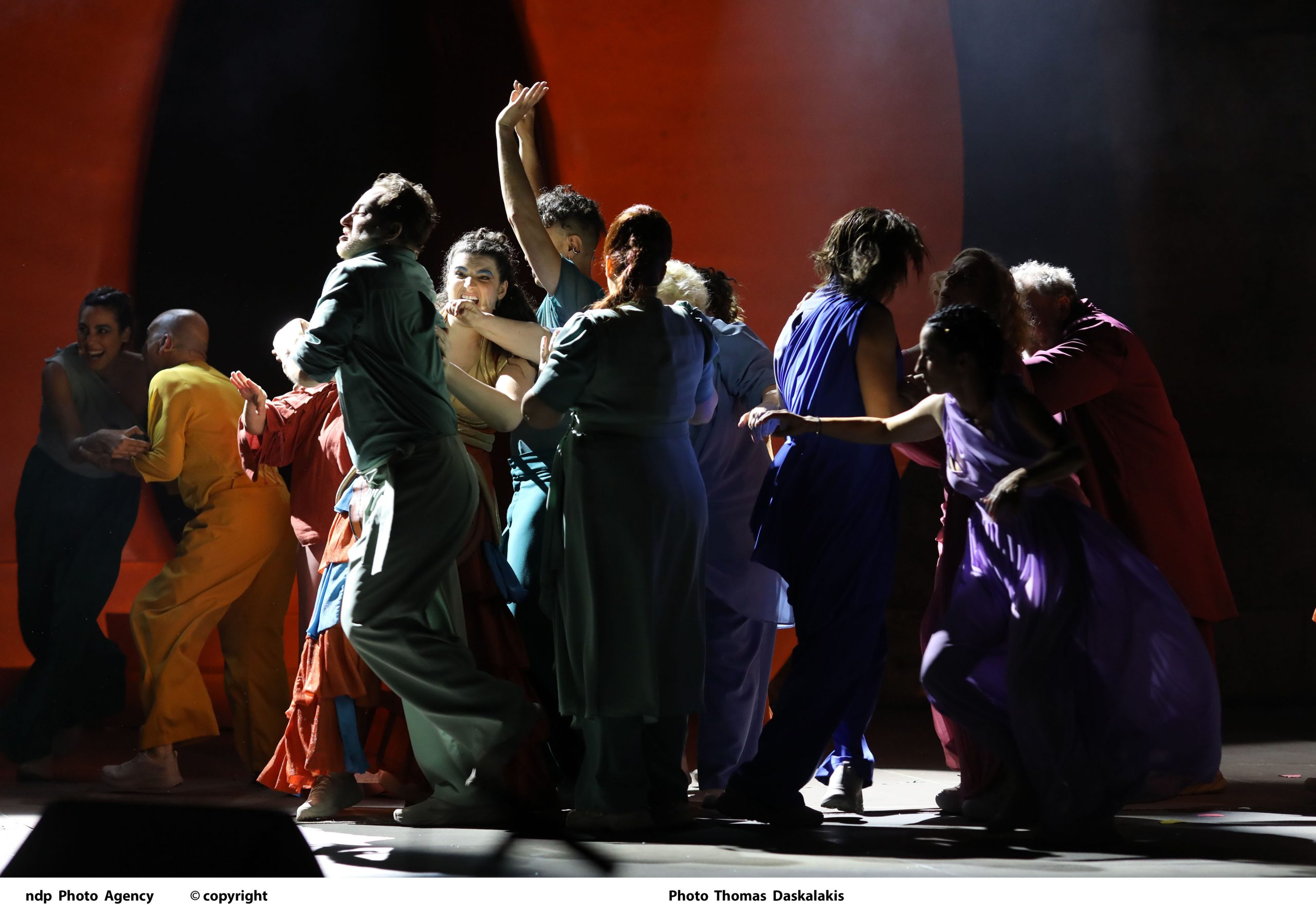
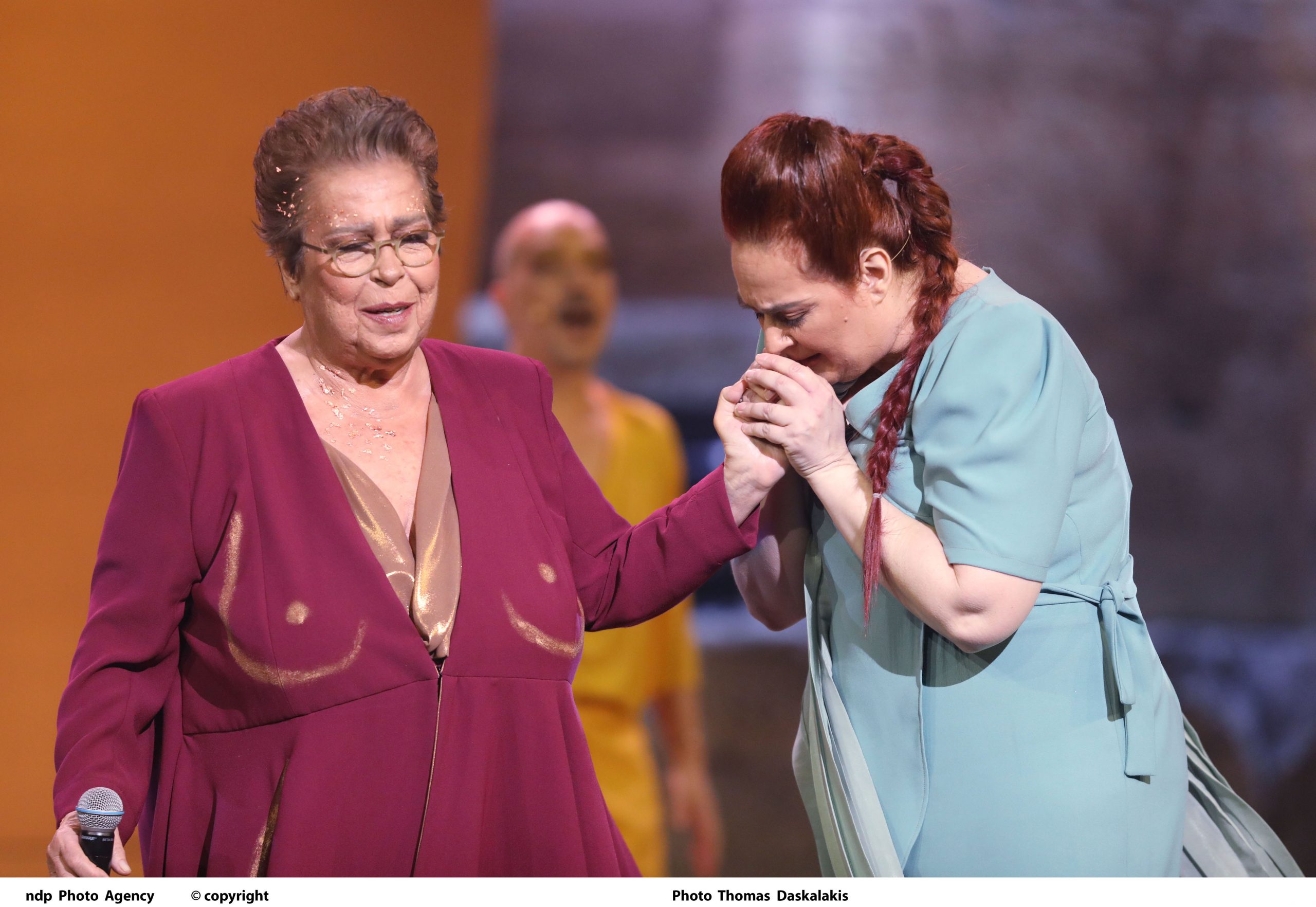
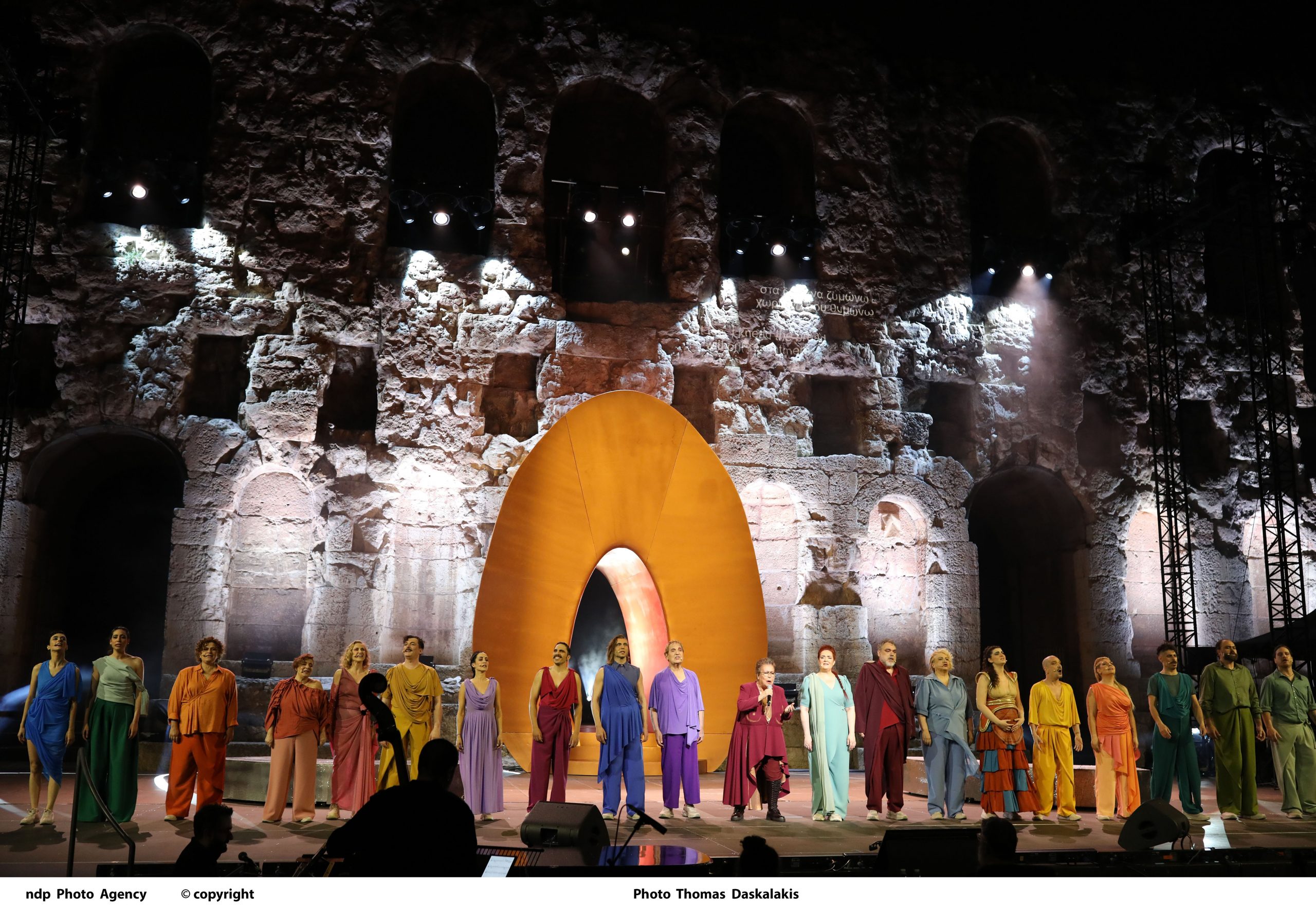
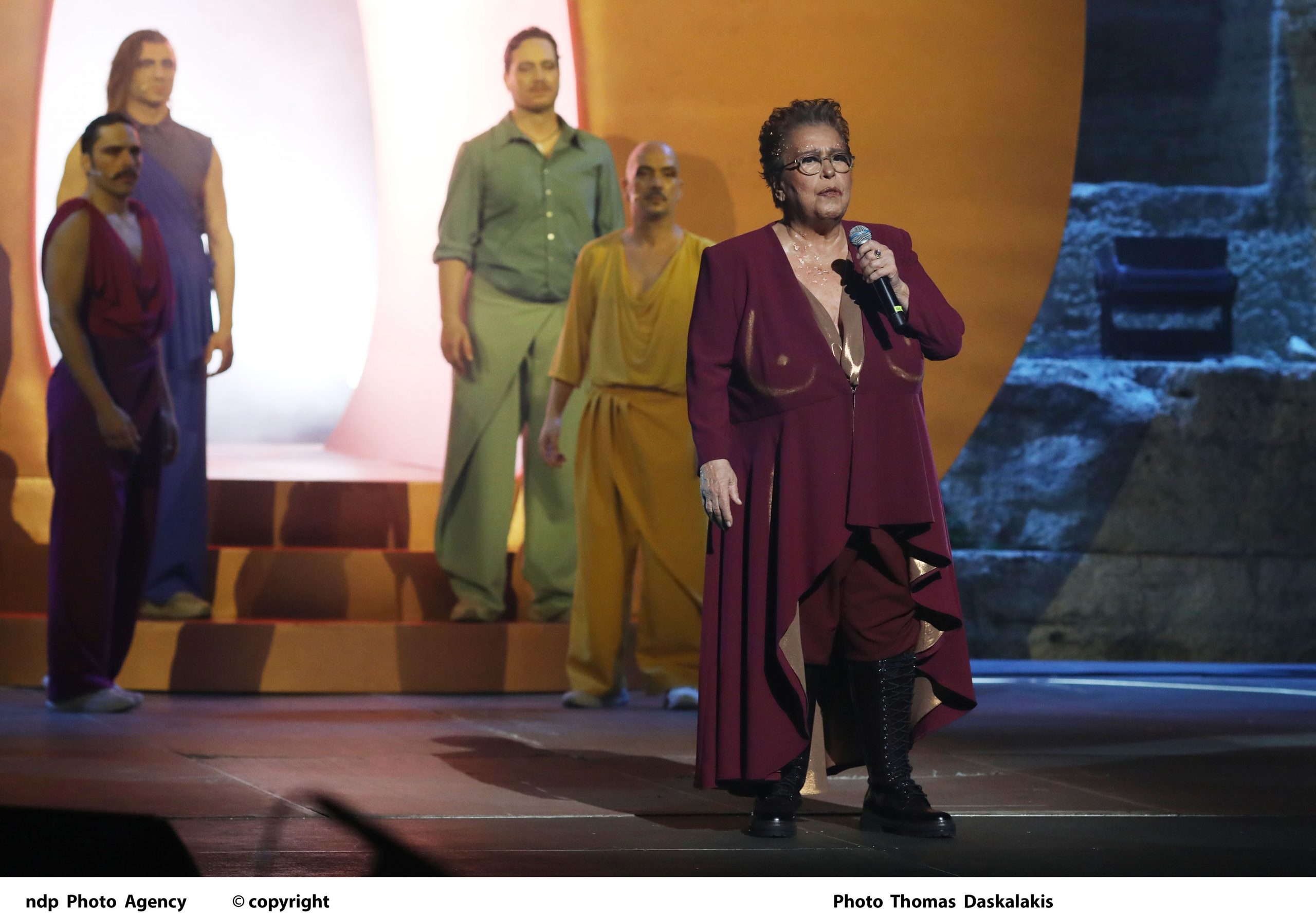
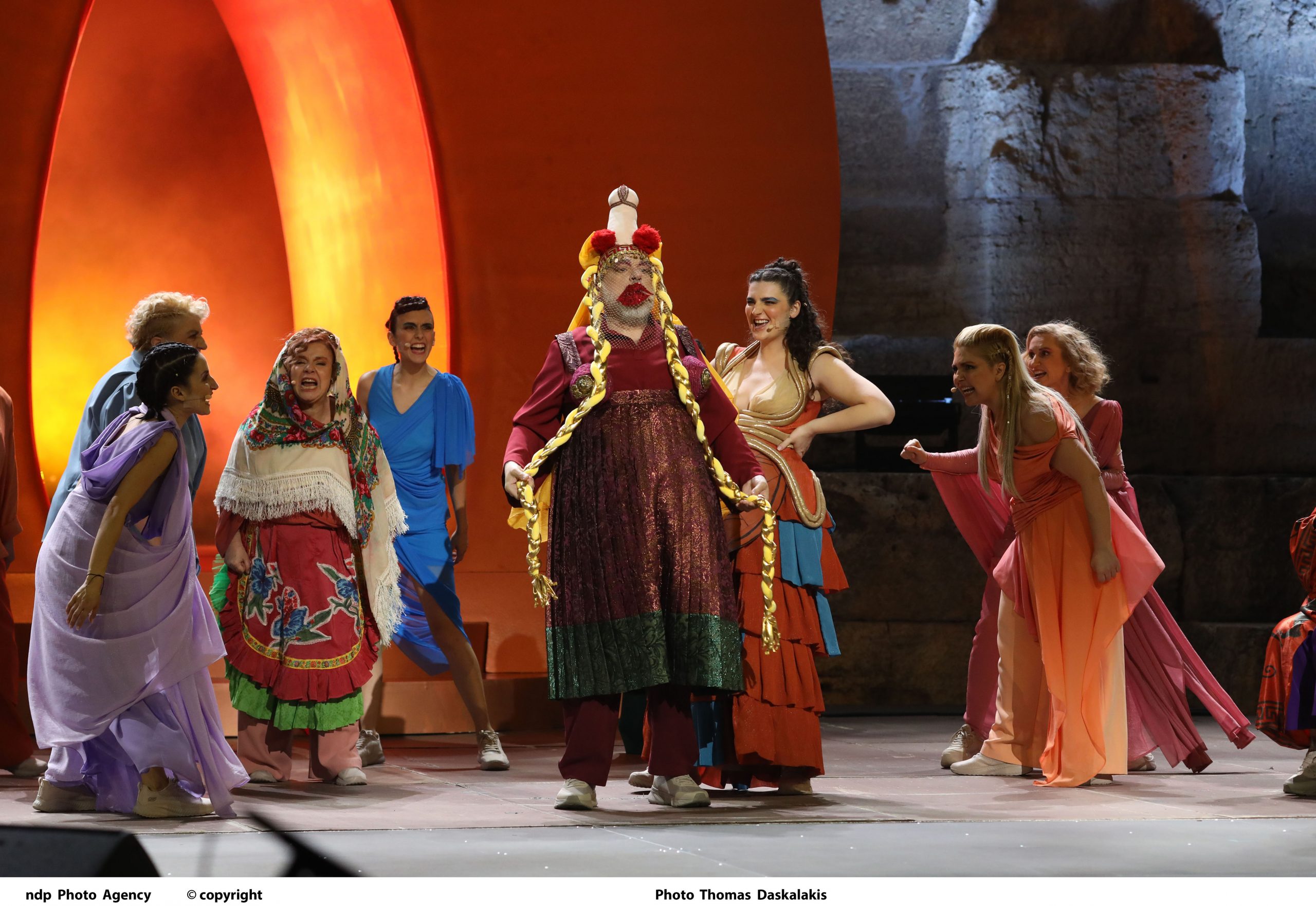
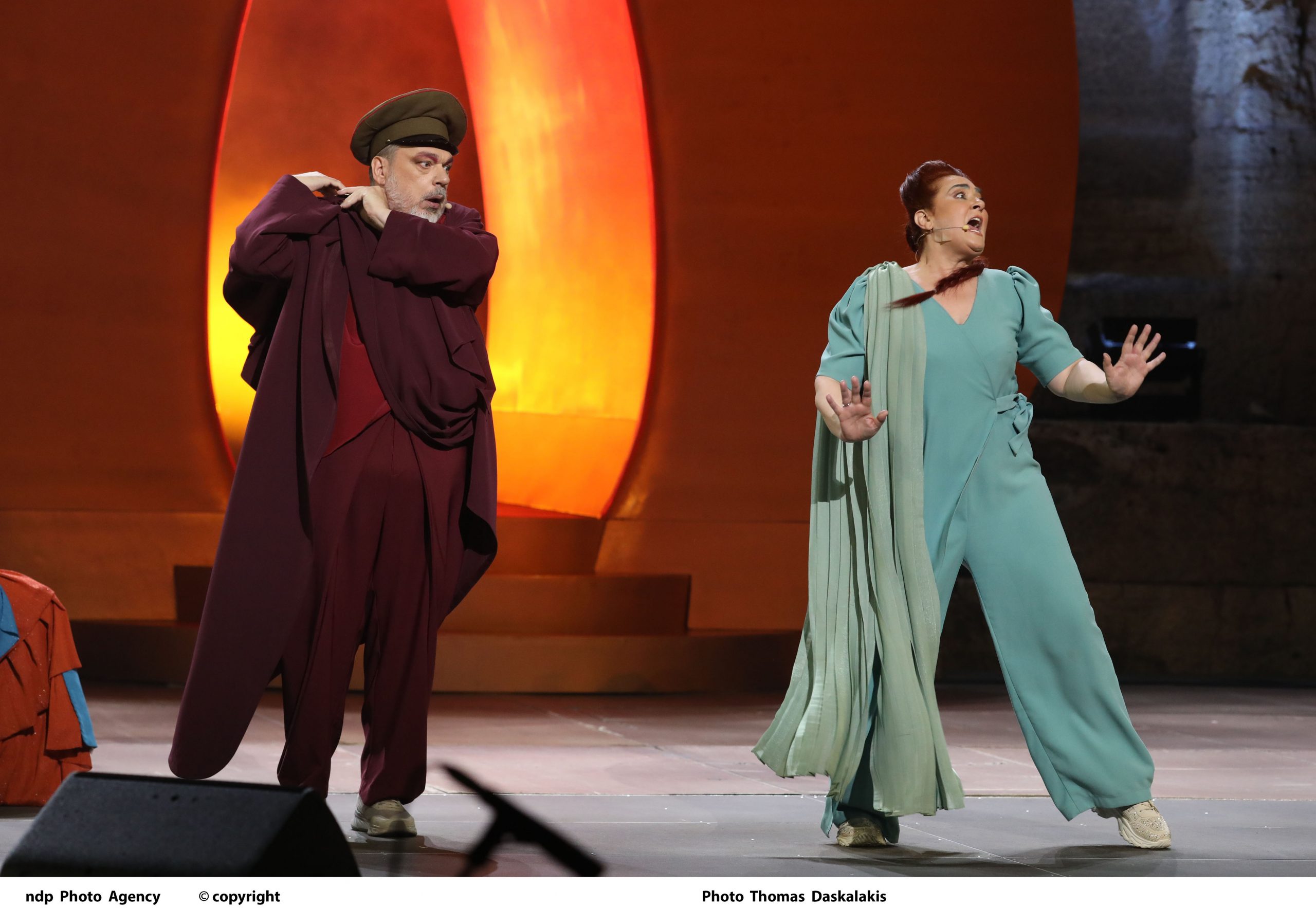
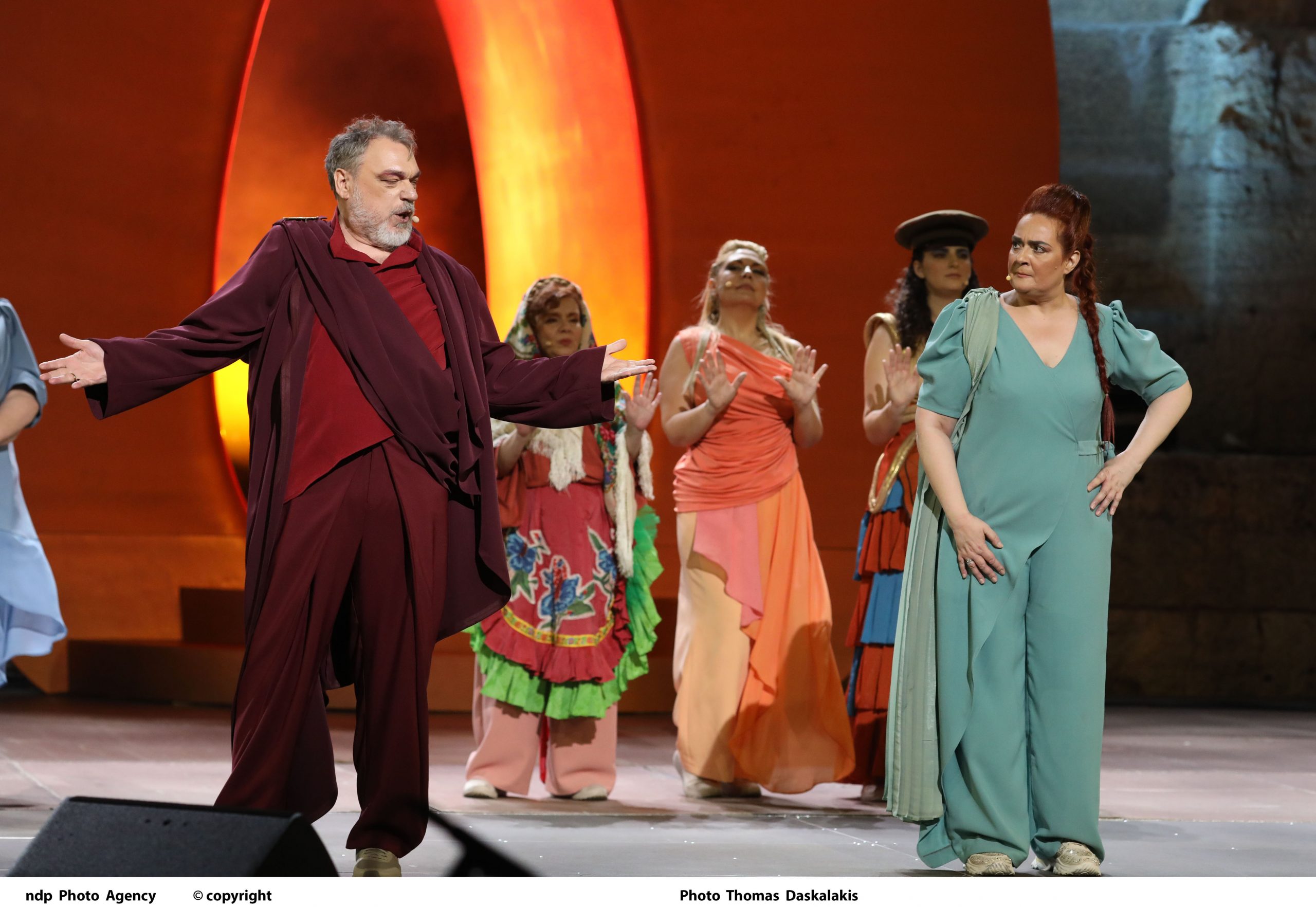
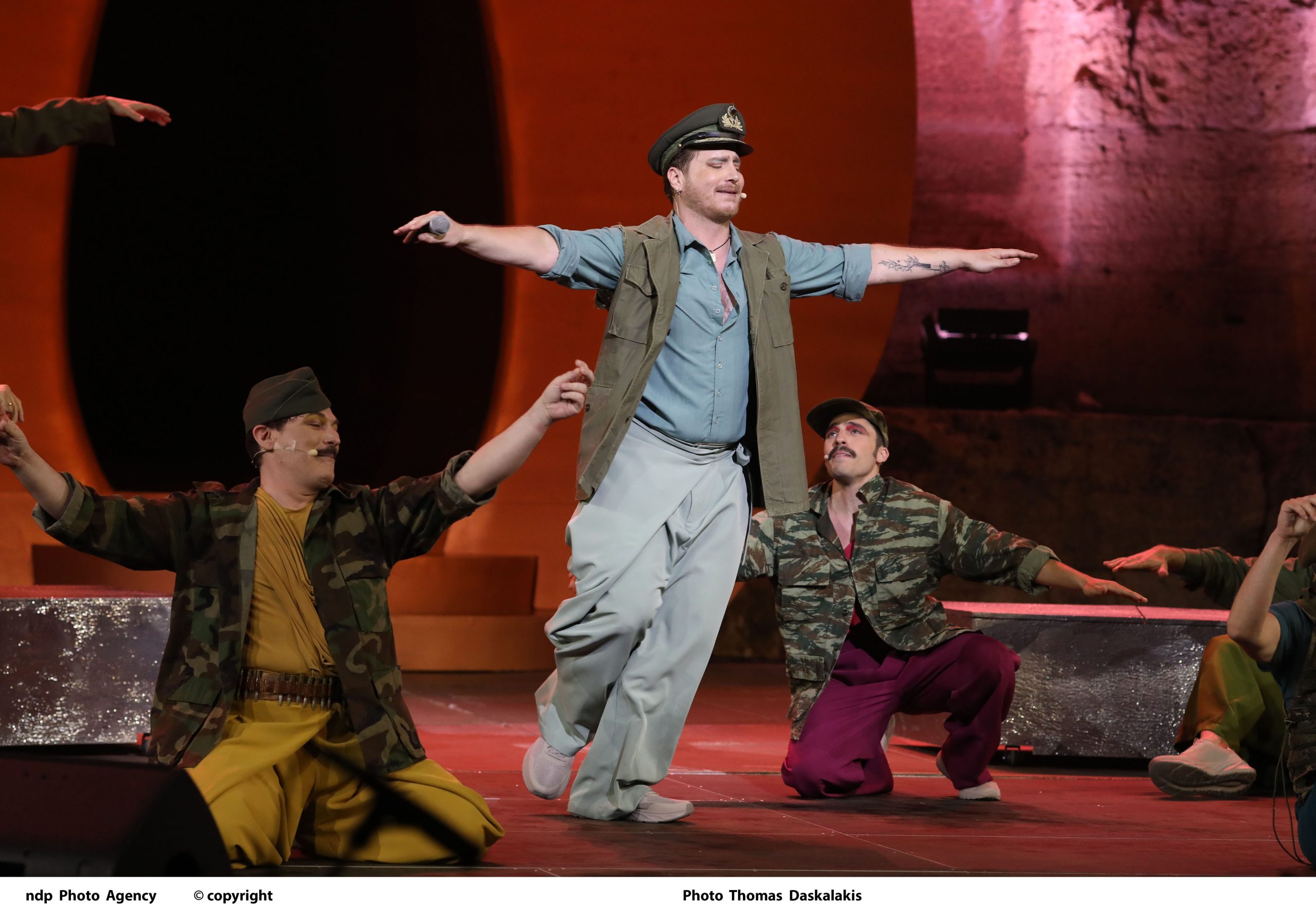
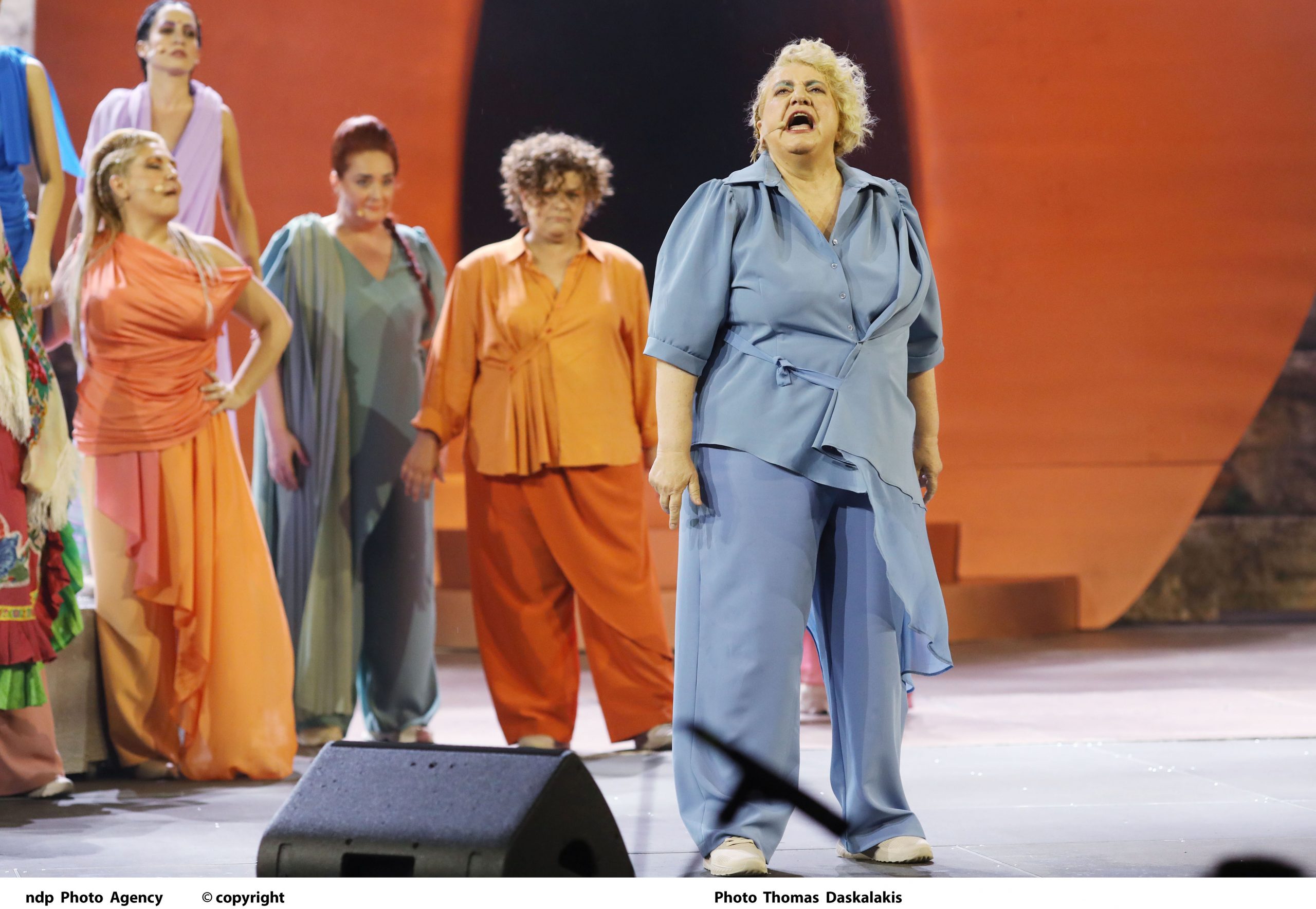
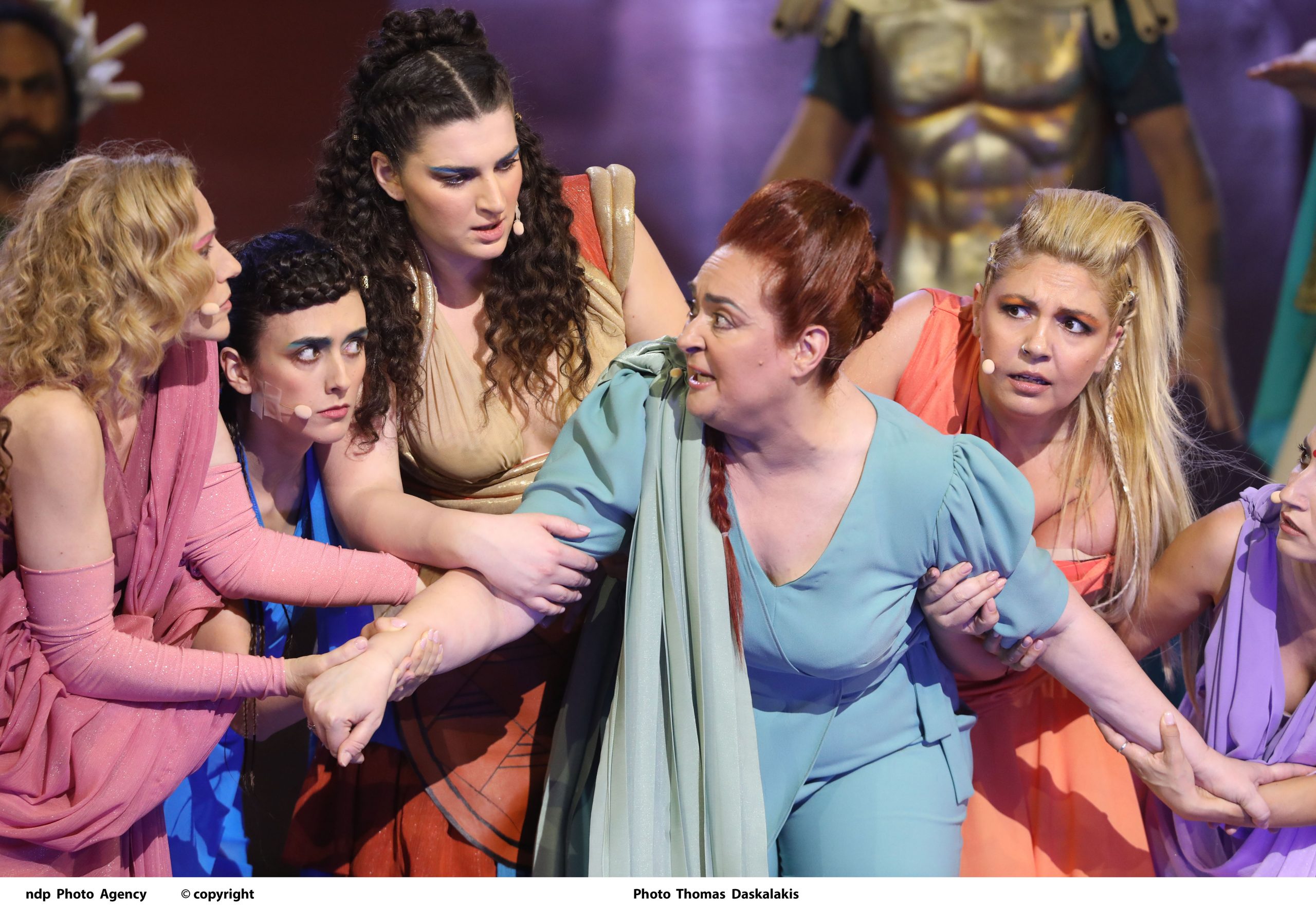
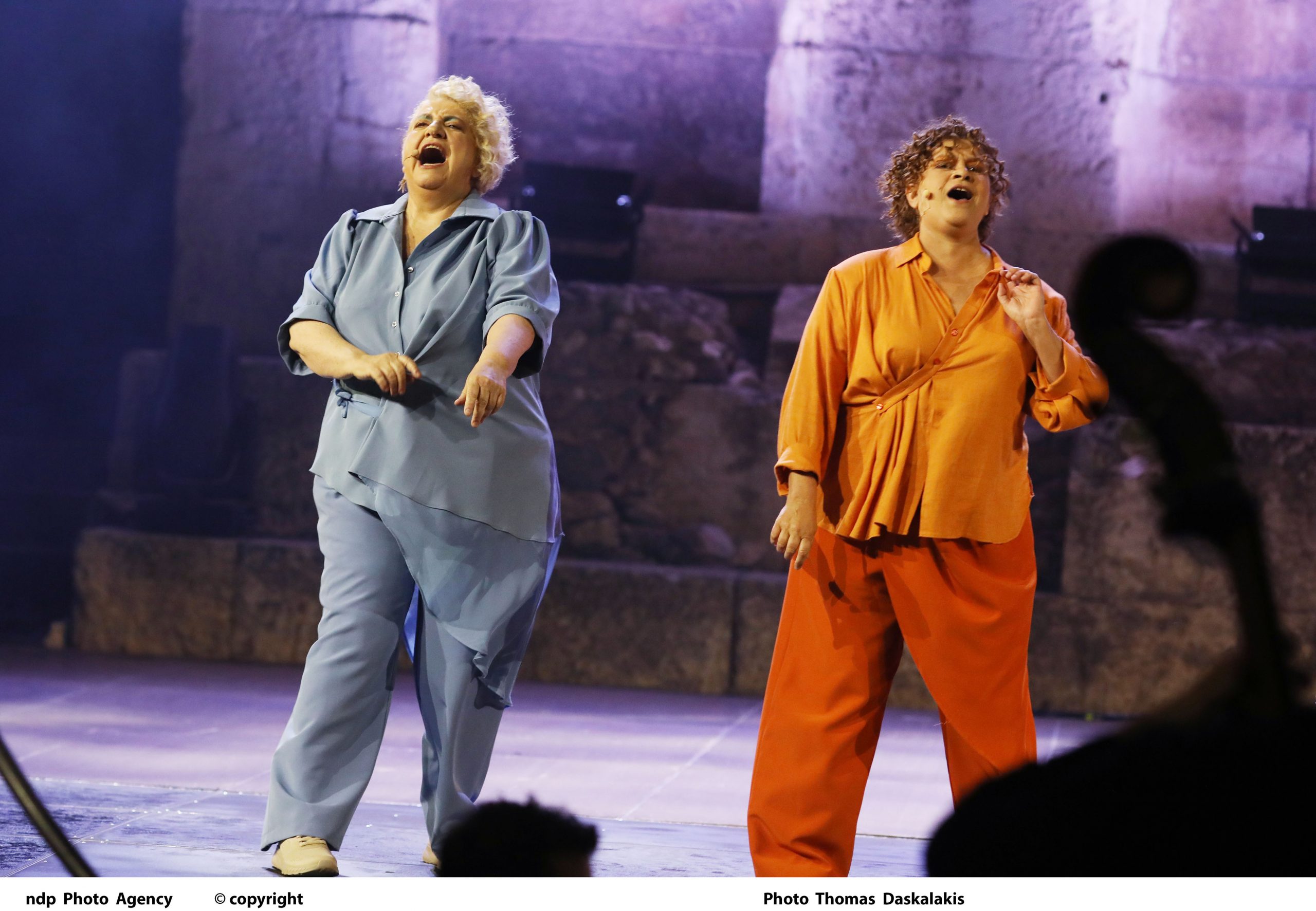
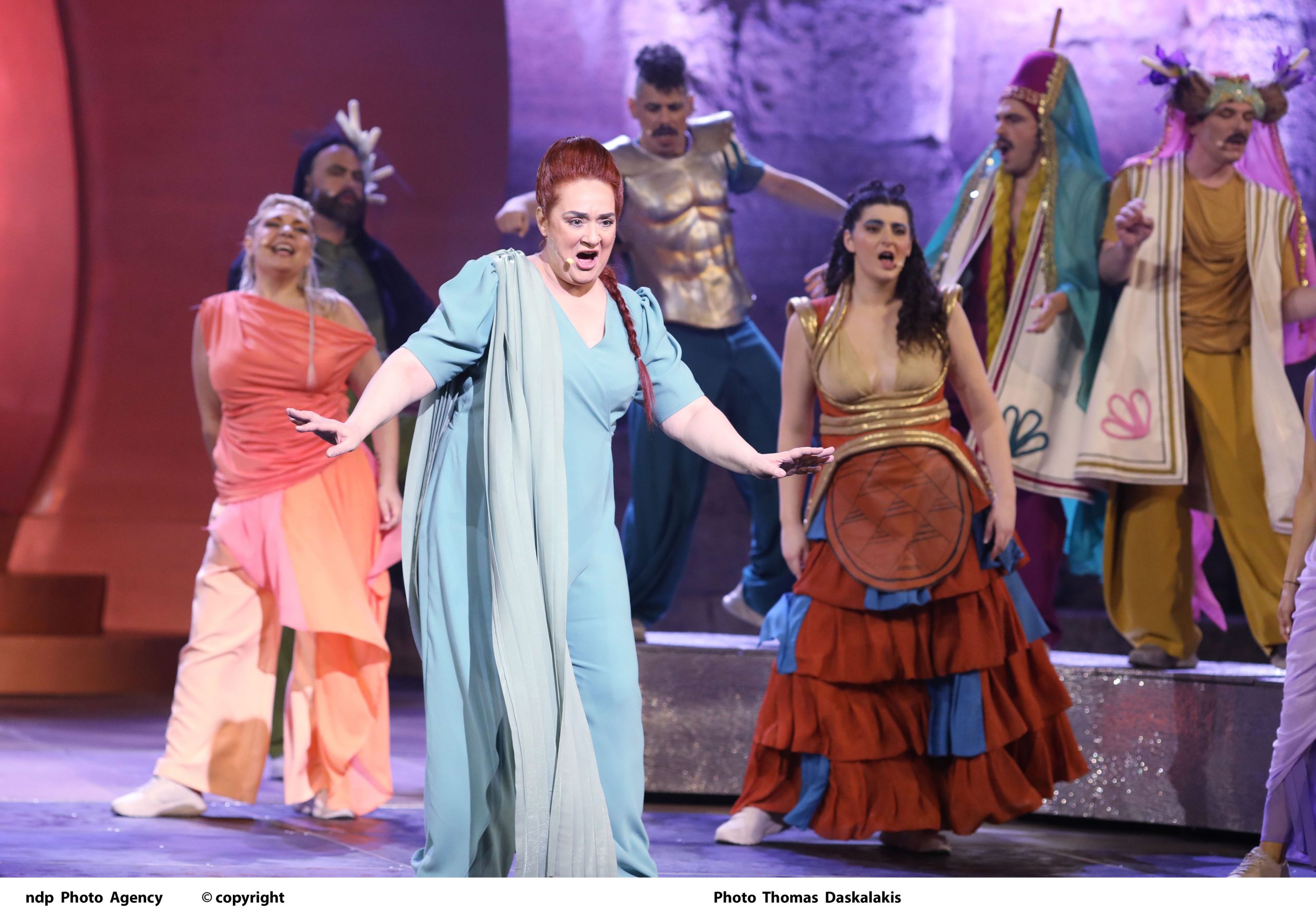
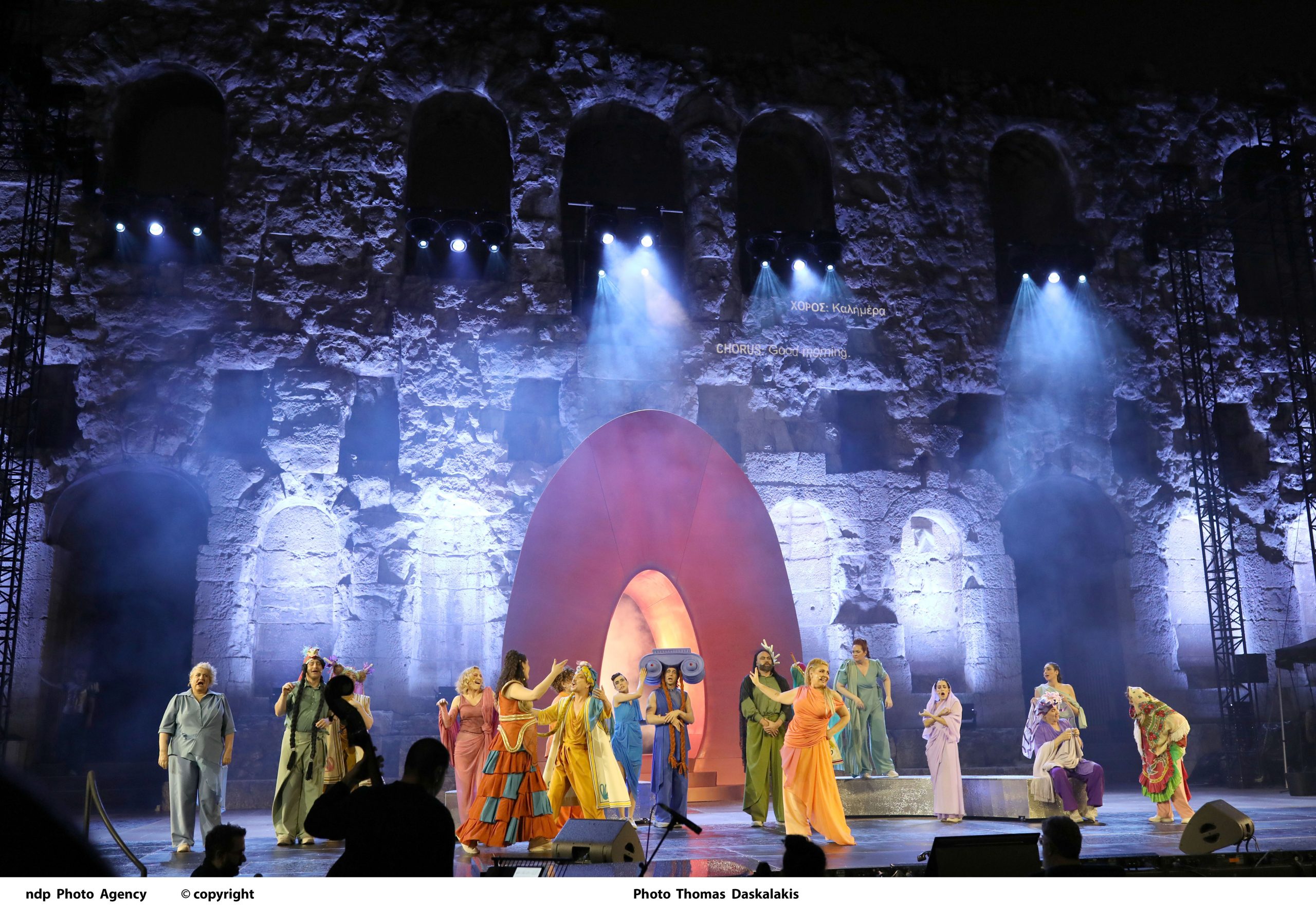
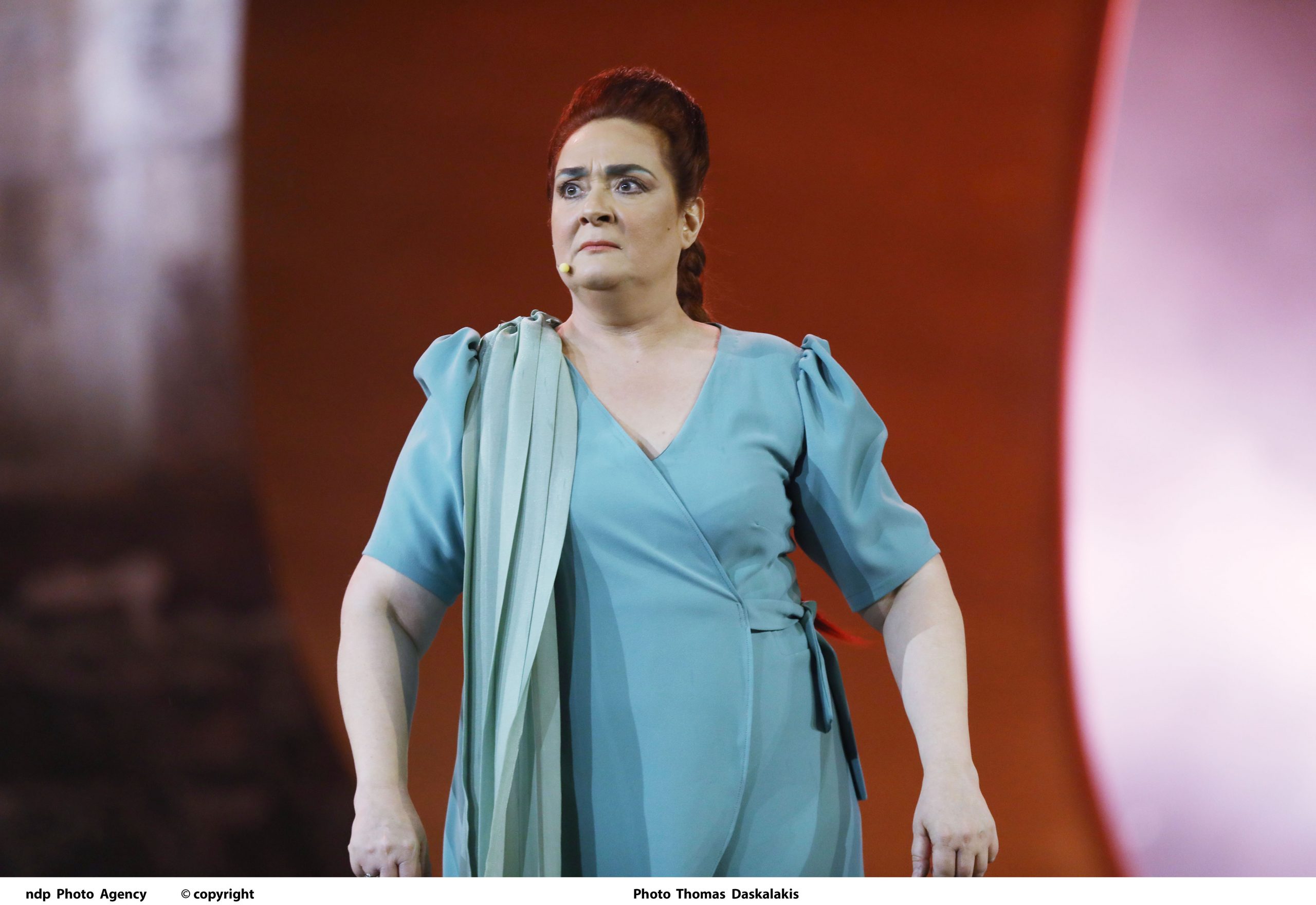
It is therefore a particularly felicitous moment for this adaptation by Stamatis Kraounakis, which leaves us wondering what might emerge from the encounter between the sparkling wit of Aristophanes and the composer’s unbridled musical imagination. Kraounakis forges a polyphonic operetta in which music and speech coexist in equal measure, all tuned to the key of the poet’s merciless satire. By turns lyrical, folk, and sharply cabaret-like, the music becomes the driving force of the action, while the sung theatrical speech completes this Aristophanic rite, casting glances to the present and amplifying the work’s exuberant theatricality. At the same time, the internationally acclaimed scenographer Takis envelops the production in a strikingly contemporary aesthetic that resonates with the work’s historical framework, culminating in an irresistible visual spectacle. On stage, thirty distinguished performers and musicians come together, with the singular presence of Dimitra Galani in the role of the goddess Athena.
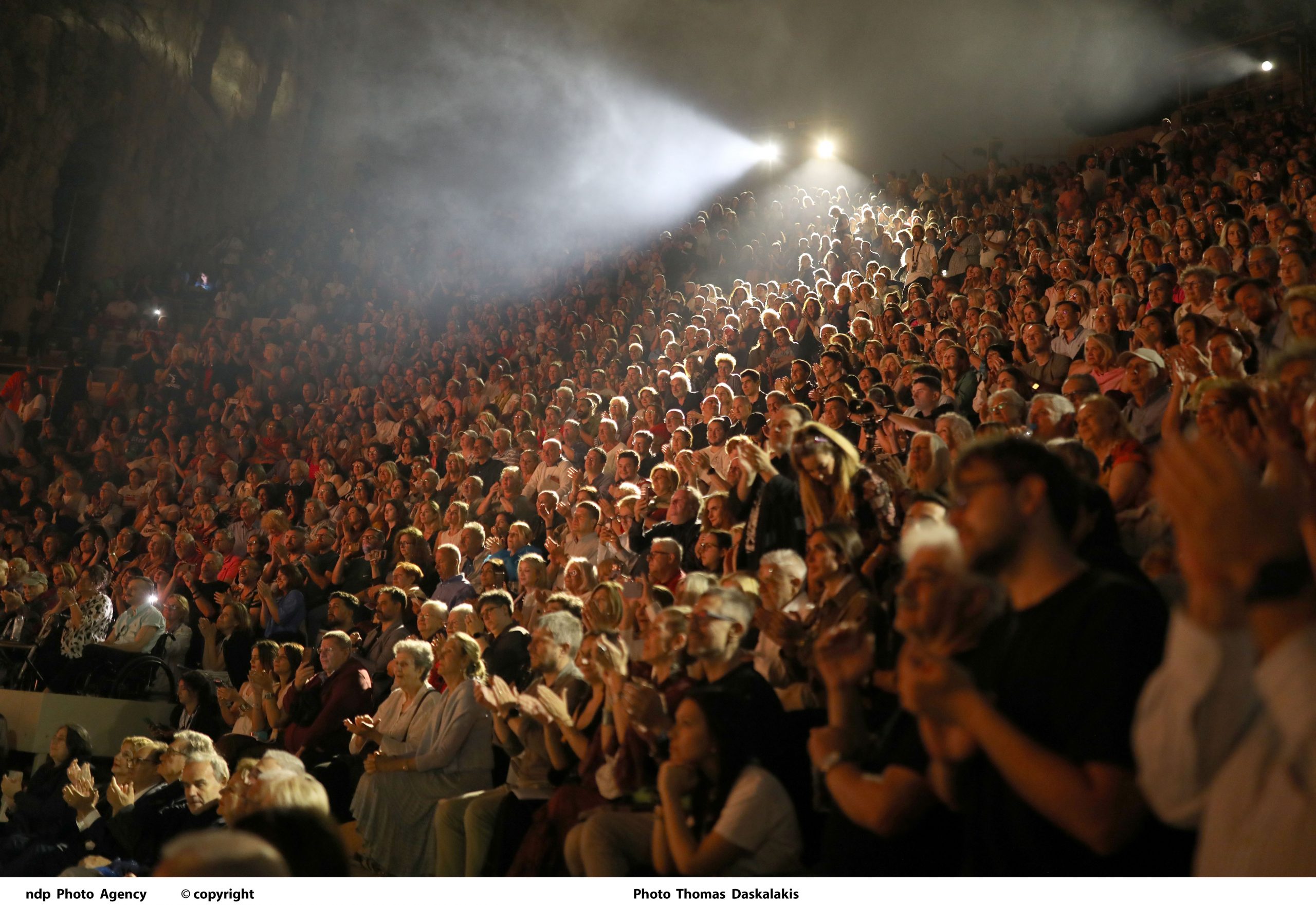
In the play, the women seize the Acropolis – where the public treasury is kept –to freeze the war machine helmed by men. For two nights, their marvellous theatrical spectres will hover just above us, allowing this ecstatic stream to flow once more under the baton of Stamatis Kraounakis, surging through the tiers of the theatre, sweeping towards the stage, and once again overturning the certainties of the world.
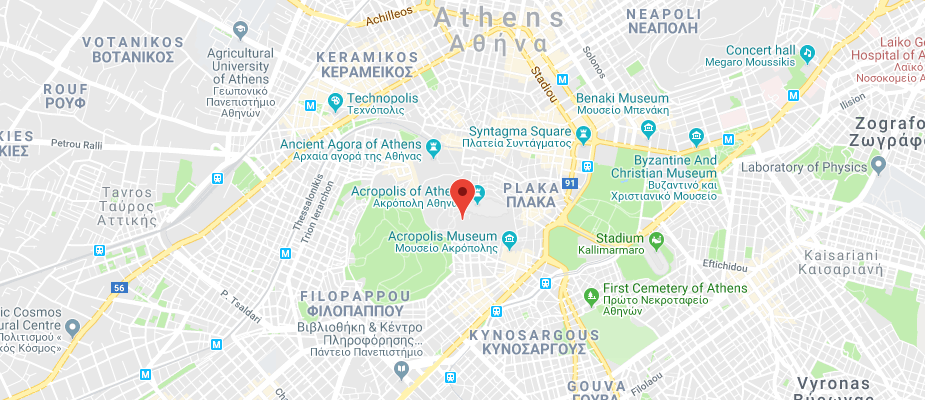
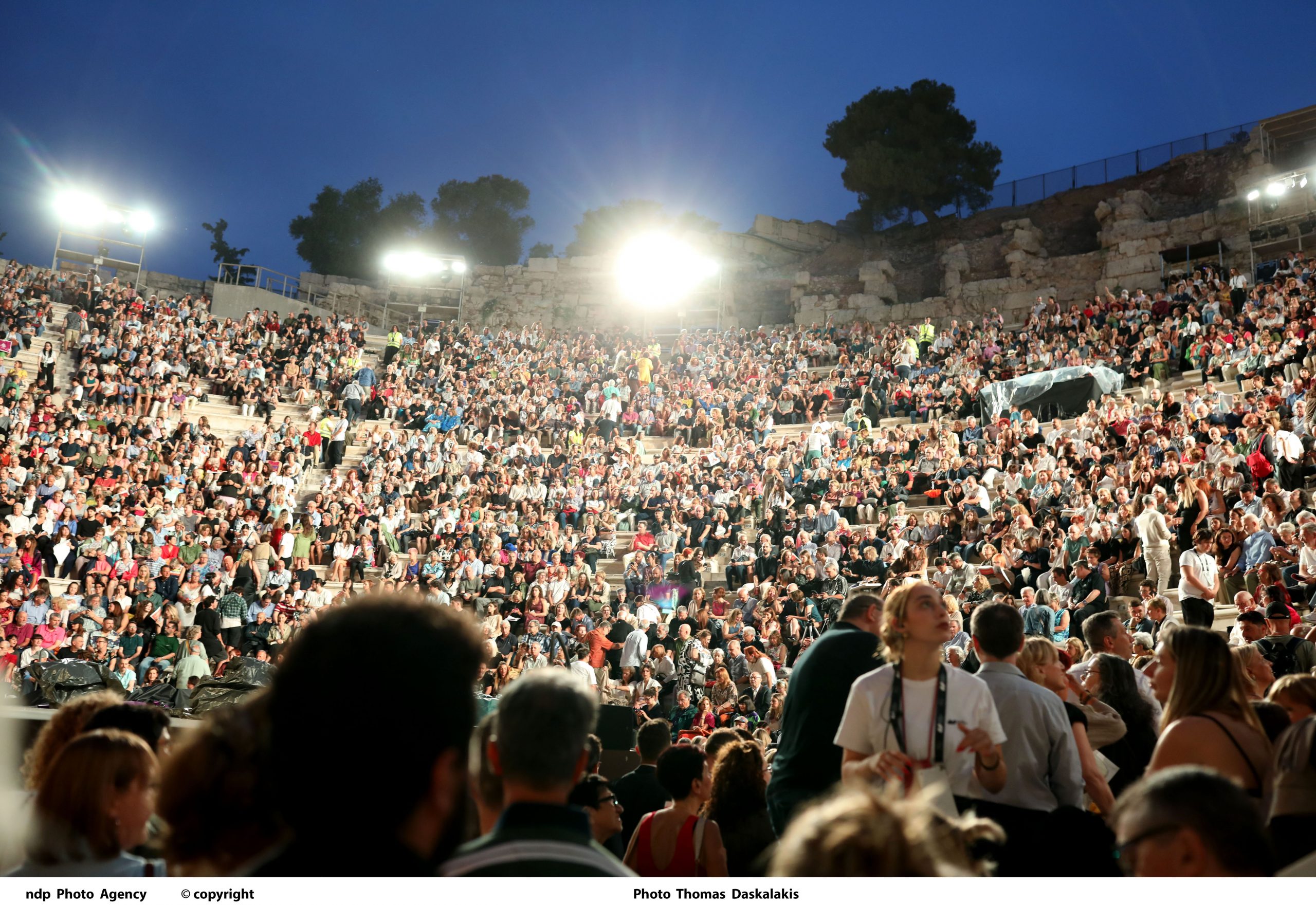
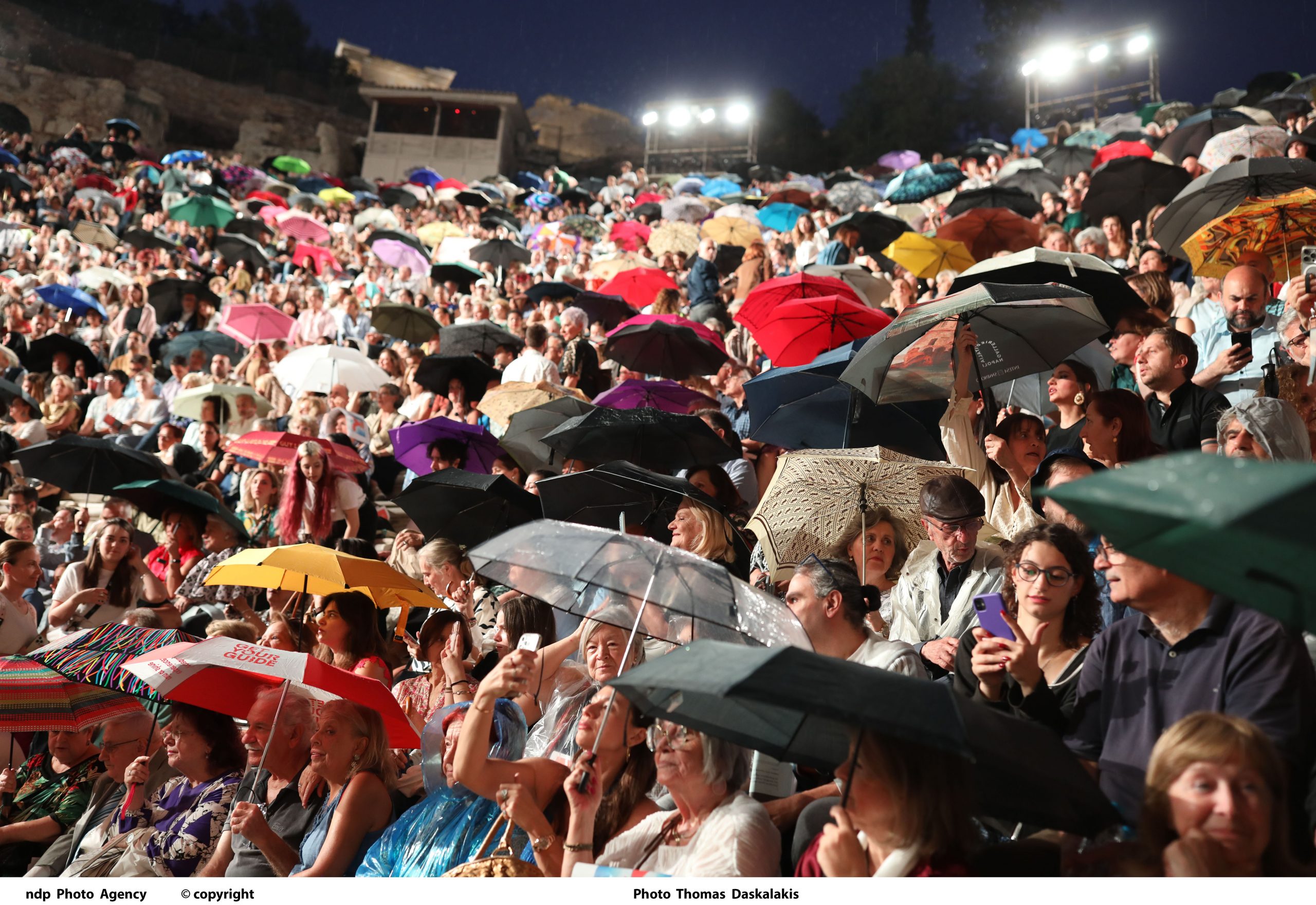
Odeon of Herodes Atticus
- 12/06 until 13/06/2026 at 21:00





all events
Music | Theatre | Dance | Education | Classical music | Performance | Premiere | Greek Debut
Ancient Theatre of Epidaurus | Little Theatre of Ancient Epidaurus | Peiraios 260 | Odeon of Herodes Atticus | Ancient Stadium Of Epidaurus | Ancient Agora of Athens | Sychrono Theatro | Ancient Theatre of Epidaurus | Exhibition Hall | Theater 104 | The Greek Film Archive Foundation
all venues