

The Wolves’ Tale
The Wolves’ Tale
Gen 260
“These are the things each of us lives through – and they are what shape us. But some turn them to good, others to harm. We are not all made of the same material.” The line emerges from the lips of the story’s heroine as both a moment of recognition and a sealing of a long, strange, and painful journey. It is the story of a girl born somewhere in central Greece – a girl not unlike the others, as fairy tales often go, but a girl exactly like them. The only thing that sets her apart is that on the day she was born, nine or ten wolves passed through the snow outside her house, as her mother would tell her. An omen, as though each animal foreshadowed a hardship that would one day come to pass. “If each of us could understand the material we are made of, might we also be able to shape it?”
The Wolves’ Tale is the true story of a woman from Thessaly (1928-2017); it is a dream her grandson once had; it is the death of her brother during the Greek Civil War; it is an incident her son experienced; it is the folk ballad The Dead Brother’s Song; it is Heiner Müller’s Hamletmachine; it is Sophocles’ Electra. Above all, however, it is a tale about domestic violence as an aftershock of political violence, written precisely to speak of this and to pose a question: can a human being ever break the chain of violence?
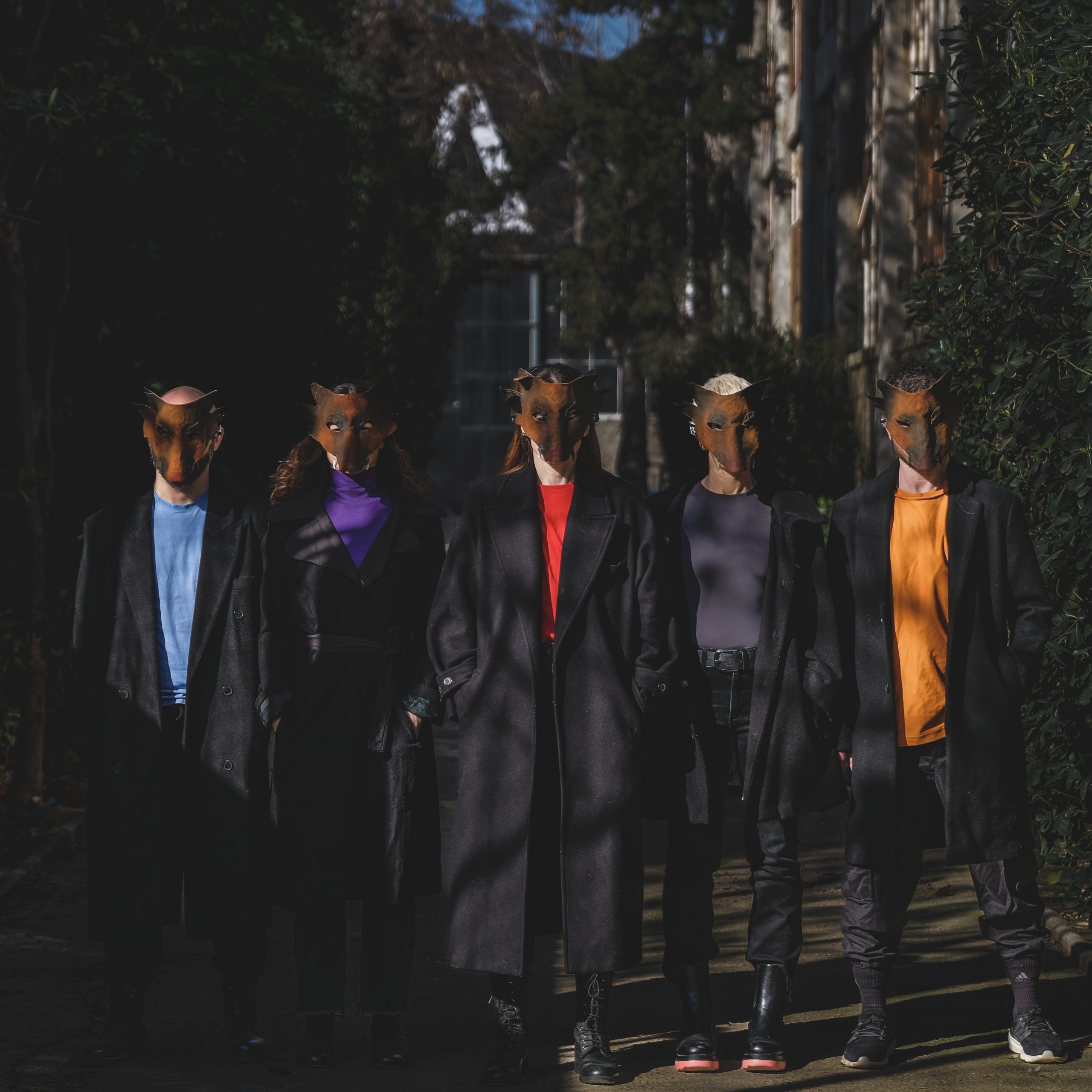
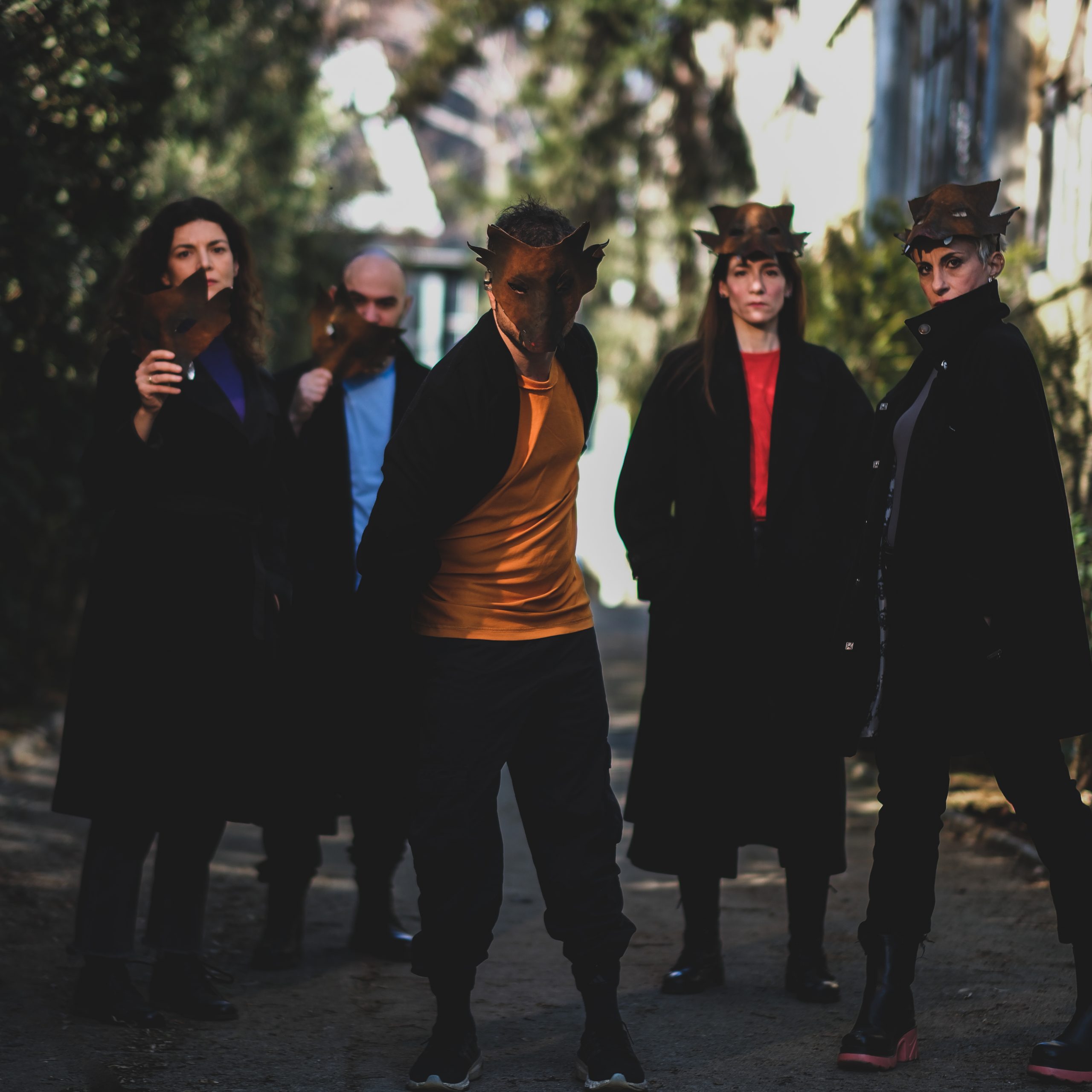
Through a Chorus of five figures – through music, movement, nine or ten wolf masks, nine or ten coats, a barrel, a chain, party poppers – the girl’s story begins to take shape. In this tale (or is it a nightmare?), the echoes of a Greek countryside long gone, the symbols and beliefs of a rural world that has vanished, and a resilient female world that spanned almost an entire century coalesce in a work that, though it does not initially promise consolation, ultimately achieves it through the redemptive power of theatre.
Trigger Warning:
This performance uses theatrical smoke and haze effects and contains sudden loud noises and bangs.
Duration 70΄
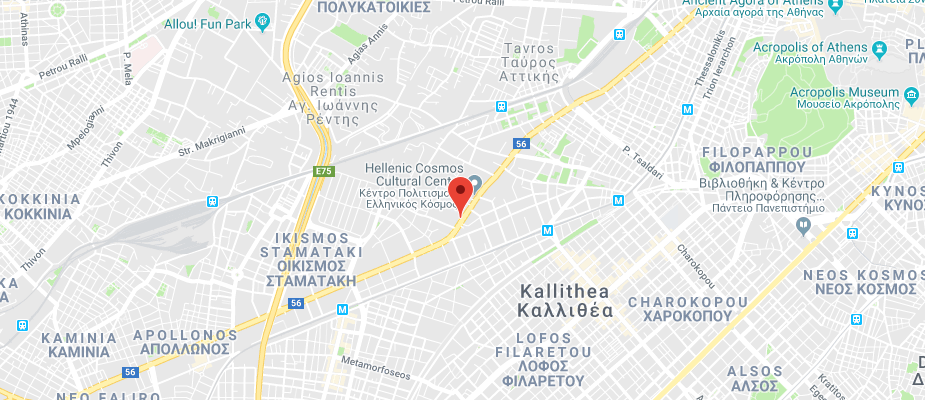
Peiraios 260 (B)
- 10/06/2026 at 22:00



all events
Music | Theatre | Dance | Education | Classical music | Performance | Premiere | Greek Debut
Ancient Theatre of Epidaurus | Little Theatre of Ancient Epidaurus | Peiraios 260 | Odeon of Herodes Atticus | Ancient Stadium Of Epidaurus | Ancient Agora of Athens | Sychrono Theatro | Ancient Theatre of Epidaurus | Exhibition Hall | Theater 104 | The Greek Film Archive Foundation
all venues