

Christos Theodoridis
The Persians
By Aeschylus

Alas, how vast and how sweet
our life once truly was.
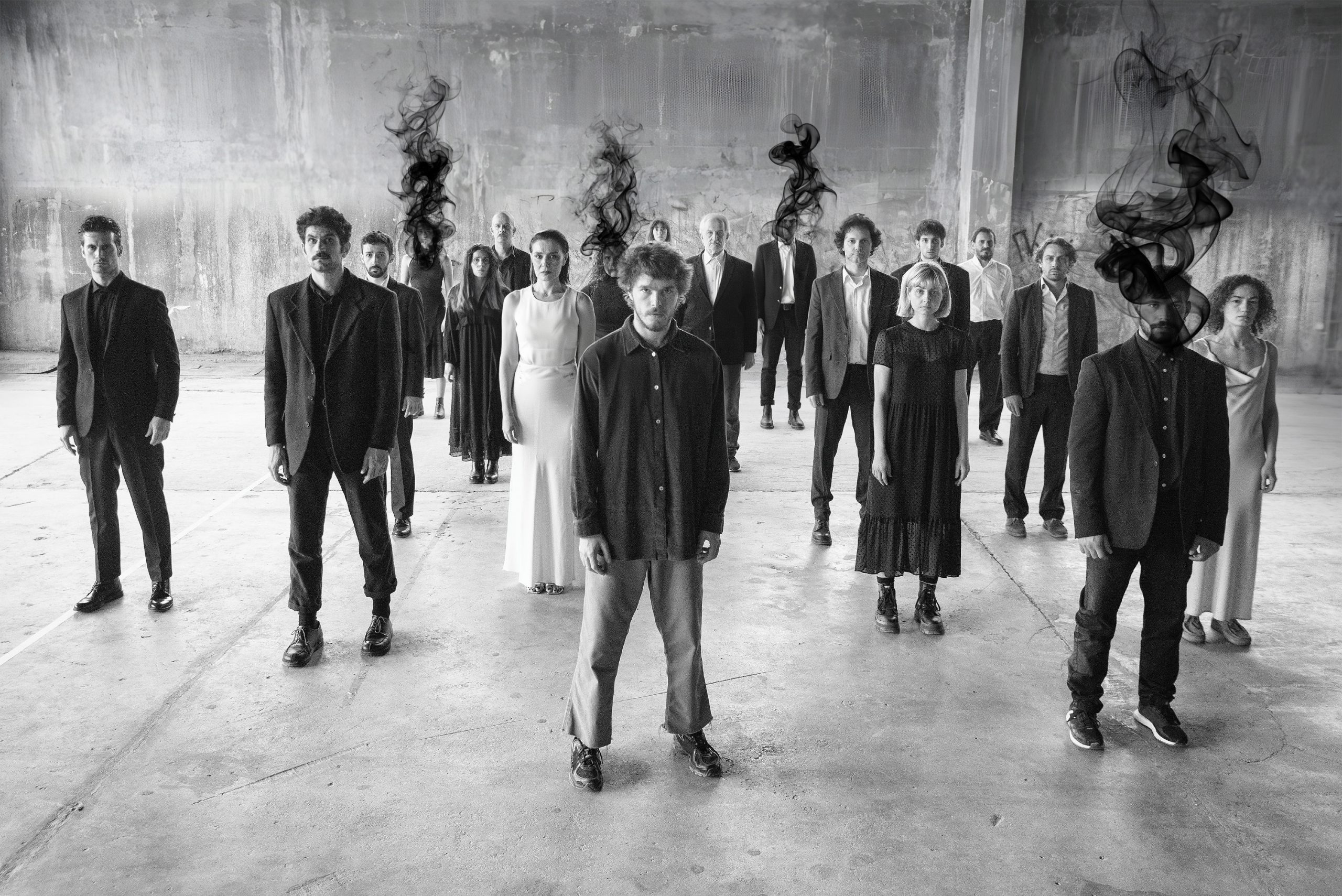
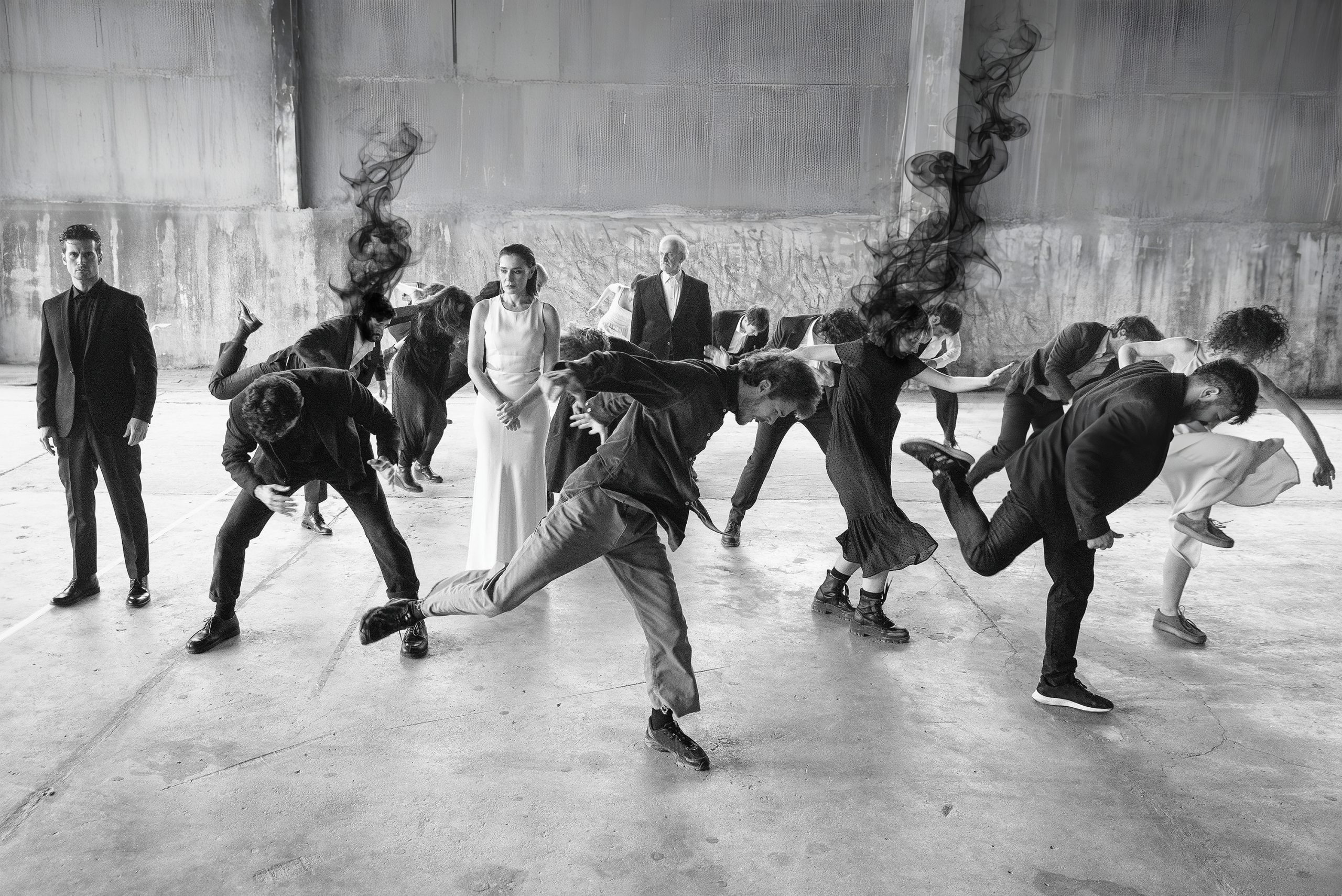
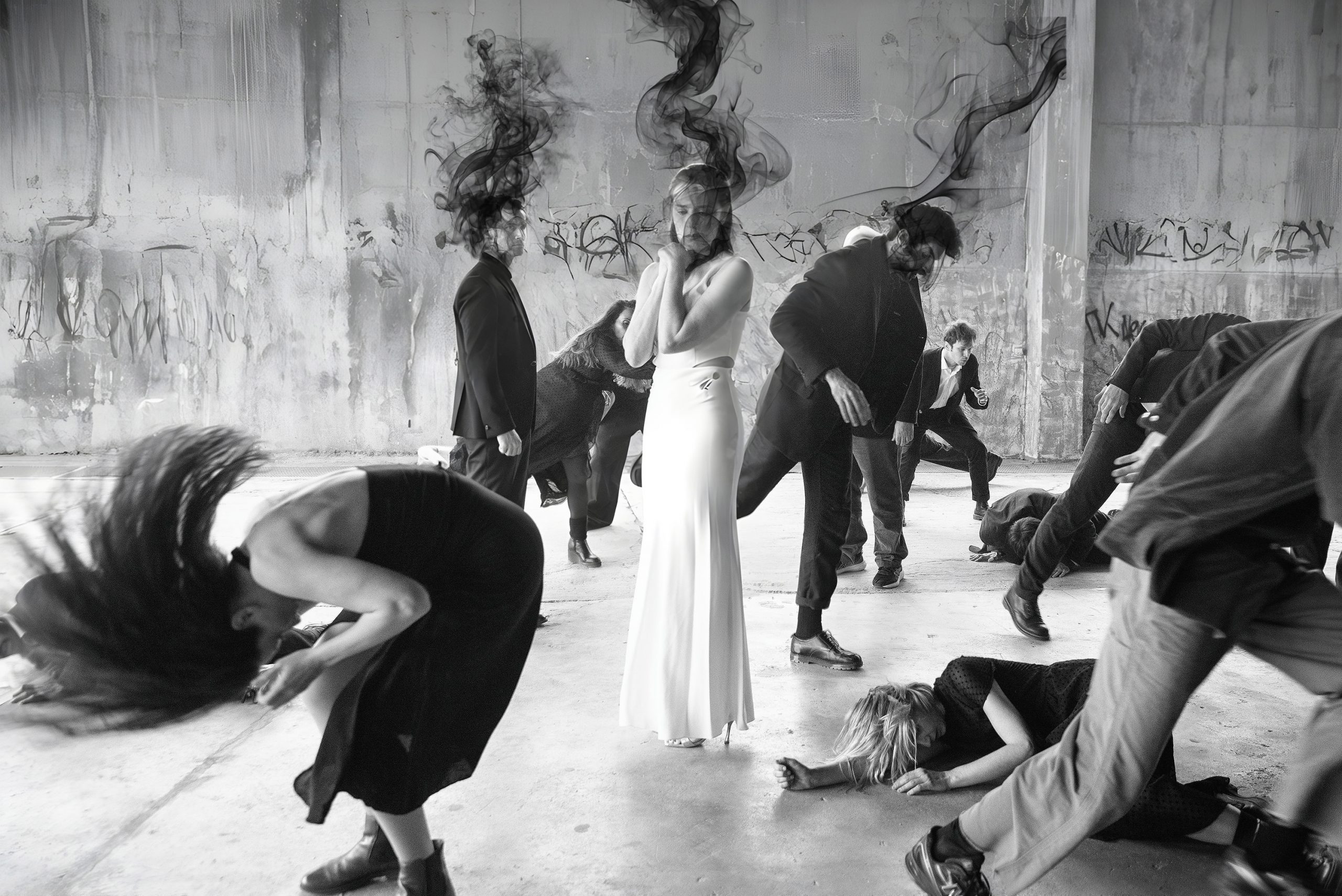
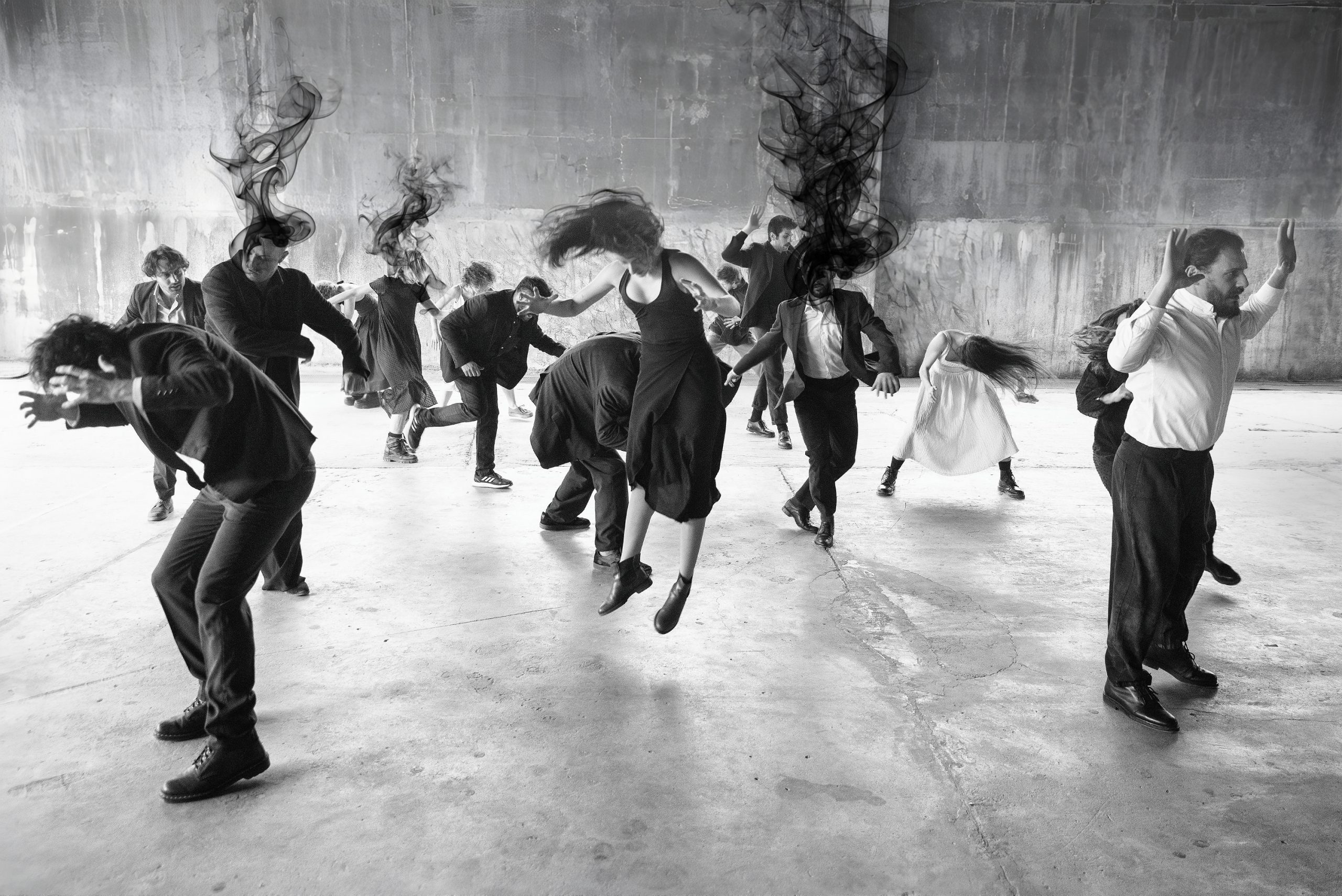
On this night, a thousand-year deep night, somewhere in the world, twenty-five people await the news of an inevitable catastrophe. Their fears are confirmed. Suspended between the magnitude of mourning and an act of resistance that feels unattainable, they remain powerless and adrift. On this night, six people can do nothing but weep.
With its narrative compass set on the news of the crushing defeat at the Battle of Salamis, the main thread of the story is lament – long, sustained, and uncompromising – for those vanished, and for a joyful past that has irreversibly perished.
In his first appearance at the Argolic theatre, this young director from Thessaloniki confronts the nucleus of the Aeschylean tragedy. Written in 472 BC, The Persians is the oldest surviving complete work of ancient Greek dramaturgy, and, at the same time, the earliest case of History’s transcription into a purely theatrical deed. Christos Theodoridis invests himself in this profoundly anti-war work, furthering the conceptual trajectory he has traced in recent years through politically charged and acutely contemporary works (To You Who Are Listening to Me, Loula Anagnostaki; Who Killed My Father, Édouard Louis; and The Iran Conference, Ivan Vyrypaev, among others).
Deviating from the mythological narratives that typically dominated tragedy, Aeschylus here composed a singular form of “documentary theatre”, unparalleled within the corpus of ancient Greek drama. An eye-witness and Athenian warrior at the Battle of Salamis (480 BC), he forges an unprecedented form of performative war “coverage” merely eight years after the historic naval confrontation. For the first time, History steps onto the stage.
At the core of this artistic endeavour stand the human being and loss. The names of people, for which the Chorus so obsessively addresses the messenger, are not merely Persian; they are the names of people who have vanished – and who continue to vanish – every minute in our present time.
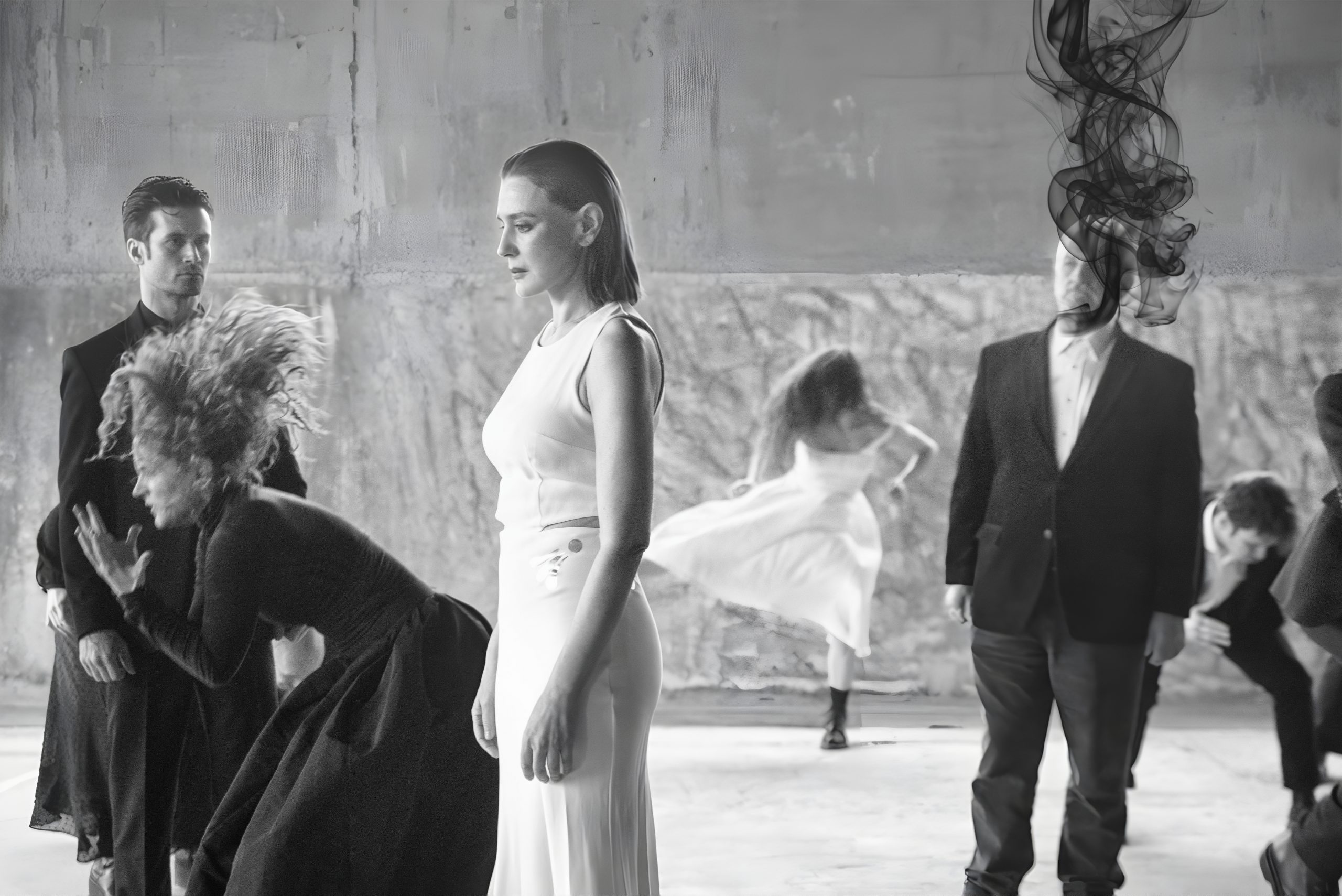
Twenty-two actors, continuously present on stage, form a Chorus-protagonist which, using only language, movement, and music, gives voice to the collective trauma of a society struck numb.
With Greek and English surtitles



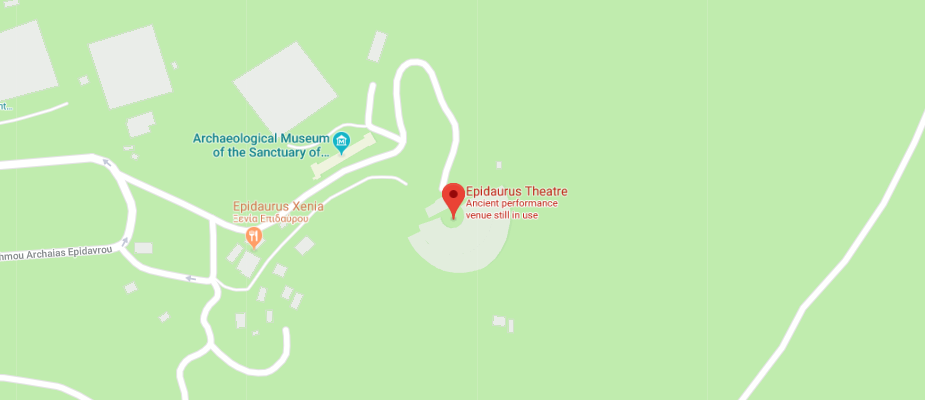
Ancient Theatre of Epidaurus
- 03/07 until 04/07/2026 at 21:00


all events
Music | Theatre | Dance | Education | Classical music | Performance | Premiere | Greek Debut
Ancient Theatre of Epidaurus | Little Theatre of Ancient Epidaurus | Peiraios 260 | Odeon of Herodes Atticus | Ancient Stadium Of Epidaurus | Ancient Agora of Athens | Sychrono Theatro | Ancient Theatre of Epidaurus | Exhibition Hall | Theater 104 | The Greek Film Archive Foundation
all venues